Find ABA Therapy Across North Carolina to Help Children at Home and in School
Learn how in-home ABA therapy and school collaboration in North Carolina help children build lasting skills across settings. Supportive Care ABA provides personalized therapy, parent support, and insurance guidance statewide.


Find ABA Therapy Across North Carolina to Help Children at Home and in School
At home, your child follows their ABA therapist's lead. They sit, they listen, they work through tasks. Progress is happening. You can see it week after week.
Then Monday morning rolls around, and somehow none of it carries over to school.
Plenty of parents across North Carolina are sitting with this exact frustration right now. The reason behind it is usually less mysterious than it feels. The therapist teaching your child at home and teachers at school probably aren't talking to each other. And when nobody is comparing notes, your child has to figure out twice as much on their own.
That gap can close. It's part of what Supportive Care ABA works on with families in North Carolina from Cary to Durham every week.
Here's a clearer picture of what ABA therapy in North Carolina involves, how the home-to-school handoff is supposed to work, and what your next step looks like if you want to get your child started with us.
How Our Team Works With Schools Across North Carolina
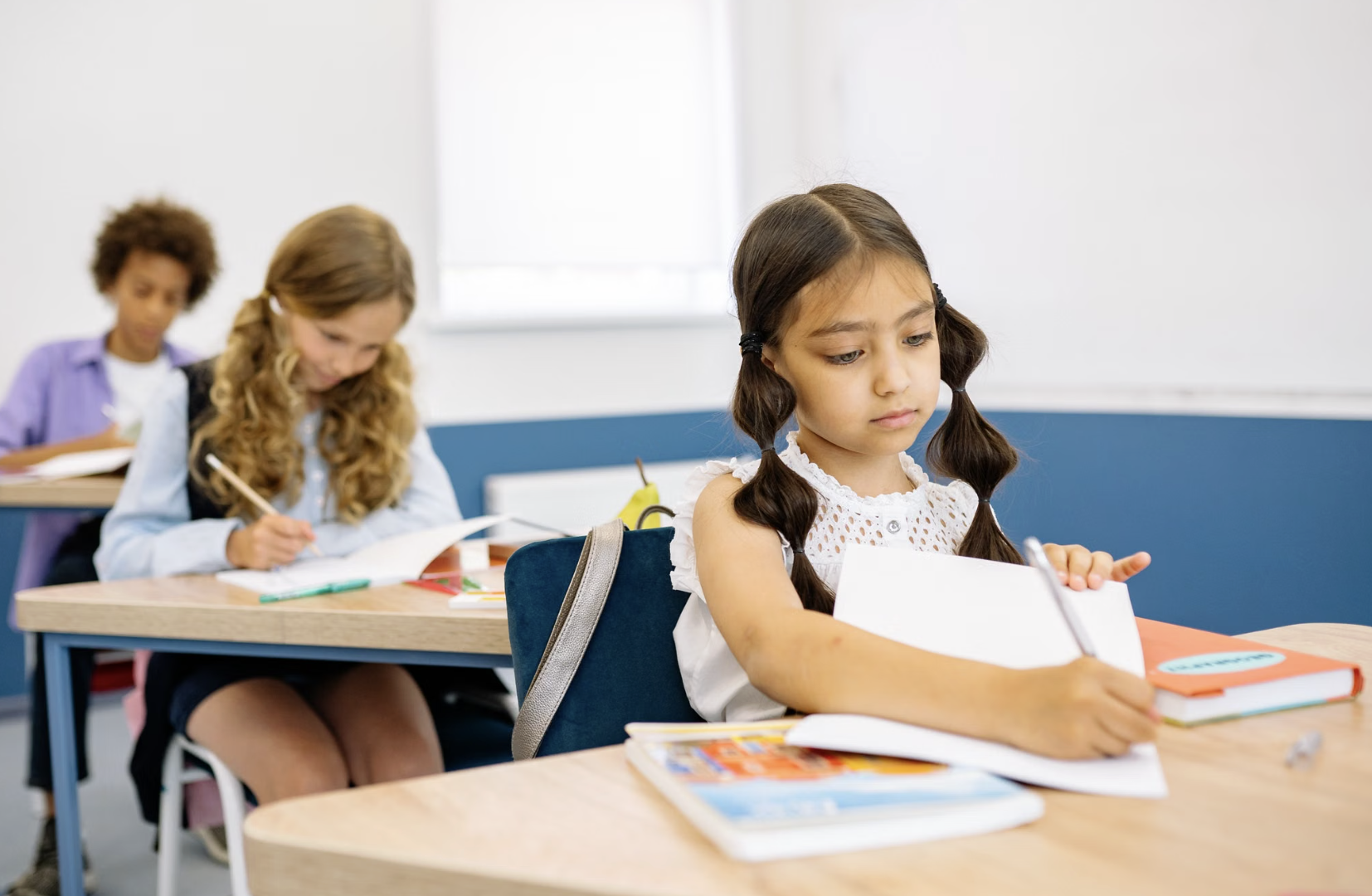
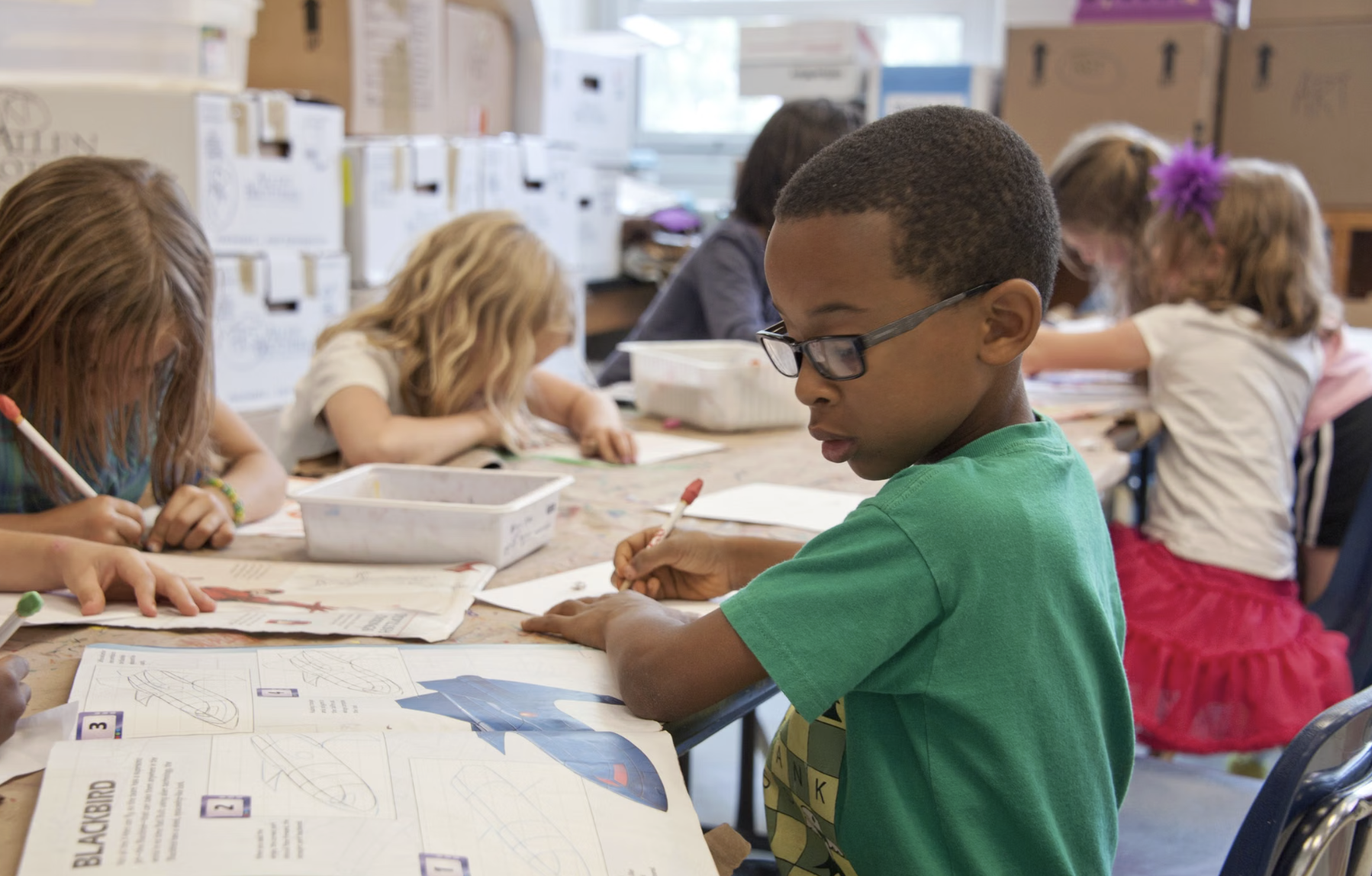
School structure can overwhelm kids with autism. When Math ends, English begins. The school cafeteria is loud. Recess is unpredictable. Group projects assume a set of social skills that may have never been taught directly.
That’s why school collaboration with Supportive Care ABA helps. Whatever your child is working on at home gets worked on at school, too.
What School Collaboration Involves with Supportive Care ABA
Your BCBA will share your child’s Behavior Intervention Plan (BIP) with the school, so the teacher, the aide, and anyone else in the room are responding to behavior the same way you are. That consistency is what makes behavior shift faster.
Individualized Education Program (IEP) meetings can also be more productive because they will involve your child’s therapy team. They track which skills your child struggles with and bring that data straight into the meeting.
Reinforcement strategies can also be seamless between the two settings, too. A reward system that gets your child through homework can be adjusted for math class. The closer the two environments mirror each other, the quicker skills generalize.
Your child’s BCBA and teacher will remain in contact and communicate about your child’s progress and ways forward.
The common goal at home and school is generalization. Your child can develop the ability to use new skills correctly, in the correct context, in various settings.
If your child needs school support in North Carolina, reach out to us: info@supportivecareaba.com.
In-Home ABA and School Collaboration in Action
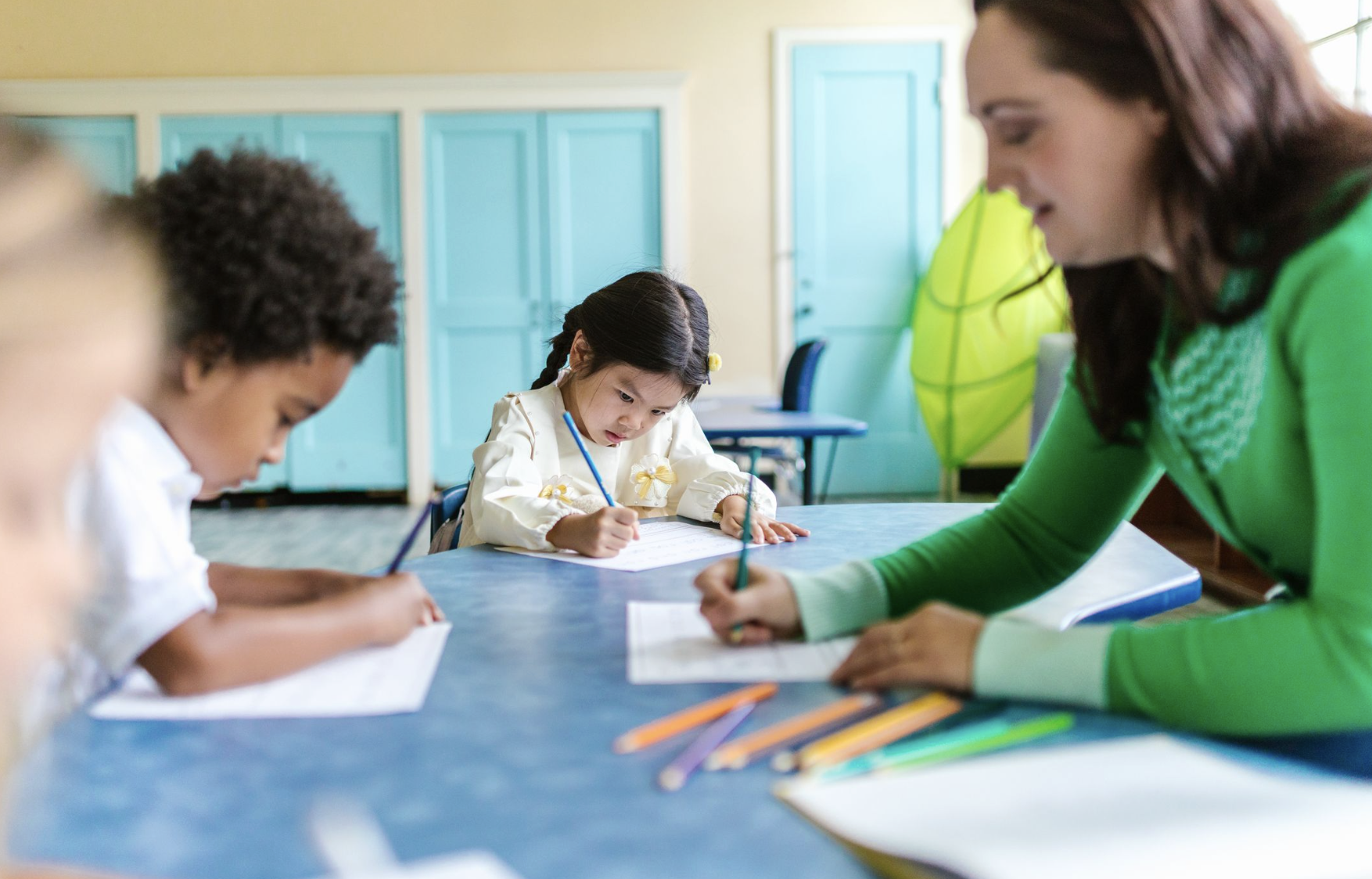
In-home ABA does its best work when the same strategies follow your child out the front door. That's how skills like following directions, asking for a break, or managing frustration start showing up everywhere your child happens to be, not just on the rug at home.
Example: Teaching a Child to Ask for a Break
Say your child melts down during writing assignments. The work feels hard, the paper looks endless, and frustration tips over before anyone sees it coming.
During in-home ABA, your child learns to use a virtual cue, like a card, to ask for a break. They will hand the card to an adult, get a short break, and come back to the task.
To ensure meltdowns don’t happen during a lesson at school, the BCBA will let your child’s teacher know to bring this virtual cue into the classroom.
Both the therapist and the teacher will prompt your child to use it before the breaking point. Both praise them when they do. Both note how often it's happening and how long the breaks need to be. After a few weeks, the skill belongs to your child, not to one adult or one room.
Parents Are Involved at Home and School
Parents might be required to sign a legal document that gives the ABA team and the school permission to talk to each other directly, share notes, and update each other about your child’s progress.
Benefits of In-Home ABA and School Collaboration
- Skills hold up across settings: Communication, social, and coping skills no longer stay tied to one room.
- Behavior support: When your child’s triggers are recognized, and the same responses are applied, challenging behaviors can be reduced.
- Everyone works on the same goals: Everyone on your child’s team works from one behavior plan.
How to Get In-Home and School Support in North Carolina
- Call us: Tell us about your child and their diagnosis.
- Check and verify insurance benefits: The team contacts your insurance directly to confirm what's covered, what isn't, and whether any prior authorizations are needed. You get a straight answer on cost before anything moves forward.
- Assess: A Board Certified Behavior Analyst (BCBA) from Supportive Care ABA is sent to your home to monitor your child, and they will design a therapy plan and schedule for your child and family.
- Therapy starts: A Registered Behavior Technician (RBT) begins working with your child at home on a regular schedule. Structured, but flexible. Built around activities your child connects with. Progress gets tracked from week one. Goals are reviewed and updated as your child grows into them. You're not handed a quarterly report and left to interpret it on your own.
One last thing worth flagging: waitlists are a serious issue in North Carolina, particularly outside Charlotte, Raleigh, and the Triad. If you live in a smaller town, getting intake started sooner makes a clear difference in how soon your child can begin.
Where to Find School Support With Supportive Care ABA in North Carolina
Supportive Care ABA reaches families across Charlotte, Raleigh, Asheville, Greensboro, Durham, and more. Check our locations page to find us in your area.
Questions Parents Ask About School Support in North Carolina
1. Will insurance cover school support and ABA therapy in North Carolina?
In most cases, yes. North Carolina's autism insurance mandate requires most private plans to cover ABA therapy for kids with an ASD diagnosis. We help verify insurance benefits, so contact us today to get started.
2. How are in-home ABA and school support different?
In-home ABA focuses on daily routines, communication, and independence inside your home. School-based collaboration involves the BCBA who teaches your child at home getting involved with your child’s school to ensure that their behavior and goals on their IEP speak to their goals at home. Kids can benefit from having both at once.
3. What happens during the ABA assessment in NC?
A BCBA visits your home and watches your child in their own space. The treatment plan comes from what they see firsthand, not from a checklist. It's shaped to your child, not to a category.
4. Is an autism diagnosis needed to start ABA at school and home?
Yes. Insurance requires a diagnosis from a licensed professional.
5. Does Supportive Care reach families and schools outside of Charlotte and Raleigh?
Yes. North Carolina families can reach us across the state. Contact us to find us near you.


.jpg)
.jpg)


%20(1).jpg)
.jpg)


%20(1).jpg)