
Physical Activity for Autism: Games That Teach & Entertain
Physical activity for autism can boost learning and joy. Explore fun games that teach important skills while keeping kids engaged and entertained.


Physical Activity for Autism: Games That Teach & Entertain
Key Points:
- Engaging in physical activities can improve motor skills, focus, and social interaction in children with autism.
- Structured games support learning essential skills while keeping children motivated and entertained.
- Parents and caregivers can use play-based strategies to reinforce ABA therapy principles at home.
Physical activity for children on the autism spectrum is more than just a way to burn energy. It’s a bridge to learning, communication, and emotional regulation. When designed with intention, physical games can help children develop motor coordination, social skills, and problem-solving abilities—all while keeping them fully engaged.
This article explores practical ways to incorporate games that teach and entertain, drawing on principles from ABA therapy to create structured, skill-building experiences.
Why Physical Activity Matters for Children with Autism
For many children with autism, physical activity is not only beneficial for overall health but also for learning and development. Movement-based activities can:
- Improve motor skills, such as balance, coordination, and fine motor control, which are essential for daily tasks like writing, dressing, and feeding.
- Enhance attention and focus, as physical tasks often require children to follow rules, sequences, or instructions.
- Support social interaction, allowing children to practice turn-taking, collaboration, and nonverbal communication in a low-pressure environment.
- Reduce stress and anxiety, offering a natural outlet for sensory regulation and emotional expression.
Integrating physical games with learning objectives helps children connect movement with cognitive and social skills, creating a holistic growth experience.
Structured Games for Skill Development
Not all play is equal when it comes to teaching skills. Structured games provide a framework that allows children to practice specific abilities in an engaging way. Below are several approaches parents and caregivers can try:
1. Obstacle Courses
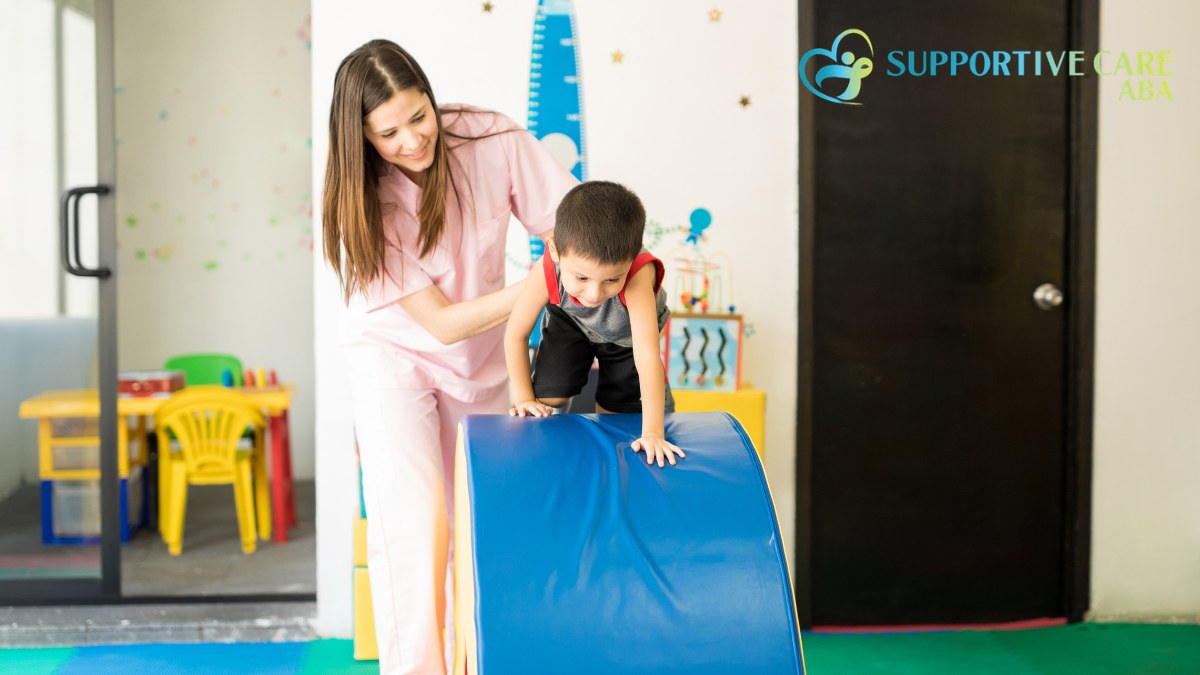
Obstacle courses combine physical movement with problem-solving and following directions. Before setting up a course, think about the skills you want your child to practice.
- Motor Planning: Arrange cones, tunnels, or cushions in patterns that require children to climb, crawl, or jump in a specific order. This helps children learn sequencing and body awareness.
- Following Instructions: Give step-by-step directions to navigate the course. Reinforce attention and memory by asking children to repeat or anticipate the next move.
- Sensory Integration: Include elements like soft mats, textured surfaces, or balance beams to engage tactile and proprioceptive senses.
By adjusting the difficulty, obstacle courses can be tailored for children of all ability levels, keeping them challenged and motivated.
2. Ball Games
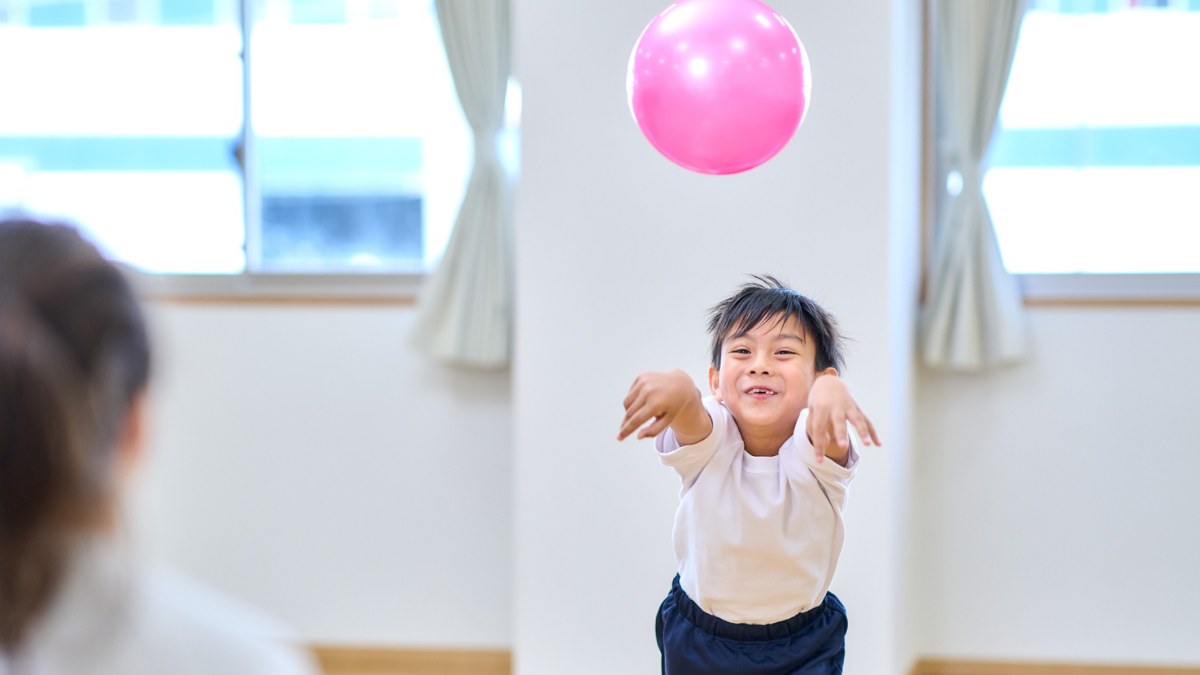
Ball games are excellent for building hand-eye coordination, social skills, and turn-taking abilities. Here’s how to make them purposeful:
- Catch and Throw Variations: Start with large, soft balls to improve confidence and accuracy. Gradually progress to smaller or firmer balls to refine motor skills.
- Target Practice: Set up targets for children to aim at, which enhances precision and spatial awareness.
- Team Games: Small group activities like rolling or passing a ball back and forth teach cooperation and communication in a structured way.
Incorporating positive reinforcement from ABA therapy—praise, stickers, or points—can motivate children to participate and continue practicing.
3. Movement-Based Learning Games
Physical activity can be a vehicle for cognitive and language development. Movement-based learning games combine concepts like counting, color recognition, or vocabulary with action.
- Hopscotch Math: Use chalk to create a hopscotch grid with numbers or letters. Children jump while calling out the correct number or letter, reinforcing learning through movement.
- Action Cards: Create cards with verbs or instructions (jump, spin, clap) and have children perform them. This builds comprehension and following instructions.
- Scavenger Hunts: Hide objects around a play area and provide visual or verbal cues. Children practice problem-solving, observation, and motor planning as they search.
These games link physical motion with learning objectives, making skill-building interactive and memorable.
Social Skills Through Play
Play is a natural setting for practicing social interactions, a common area of focus in ABA therapy. Physical games provide context for children to engage safely and meaningfully with peers and adults.
Turn-Taking and Cooperative Games
Before children can enjoy cooperative play, they need structured guidance. Introduce activities that require sharing, waiting, and teamwork:
- Relay Races: Teams pass a baton or complete a sequence together, learning patience and cooperation.
- Group Ball Games: Encourage children to pass a ball only after their turn, helping reinforce attention and social rules.
- Parachute Play: Using a group parachute teaches children to move together while following simple verbal directions.
Structured guidance ensures children learn the mechanics of social interaction while having fun.
Role-Play Games
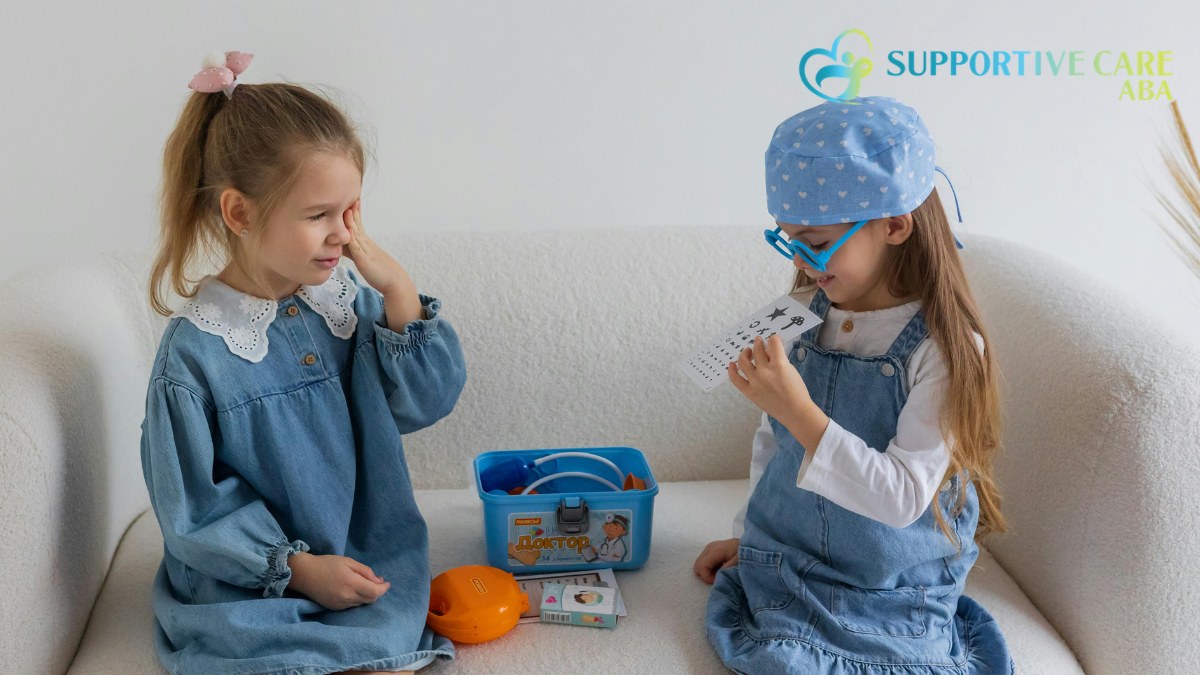
Role-playing physical scenarios, like pretending to be animals or emergency responders, helps children practice empathy, perspective-taking, and communication:
- Animal Movements: Ask children to move like a bear, frog, or bird. This teaches body awareness, imagination, and descriptive language.
- Rescue Missions: Set up scenarios where children must “save” objects or teammates, integrating problem-solving and teamwork.
- Daily Routine Dramas: Act out daily activities like grocery shopping or cooking. Children practice sequences, communication, and social negotiation.
By combining physicality with imagination, these games reinforce skills that are directly applicable to daily life.
Sensory-Friendly Activities
Many children with autism have sensory sensitivities. Physical activities can be tailored to avoid overwhelming children while still promoting engagement and learning.
Examples of sensory-friendly games:
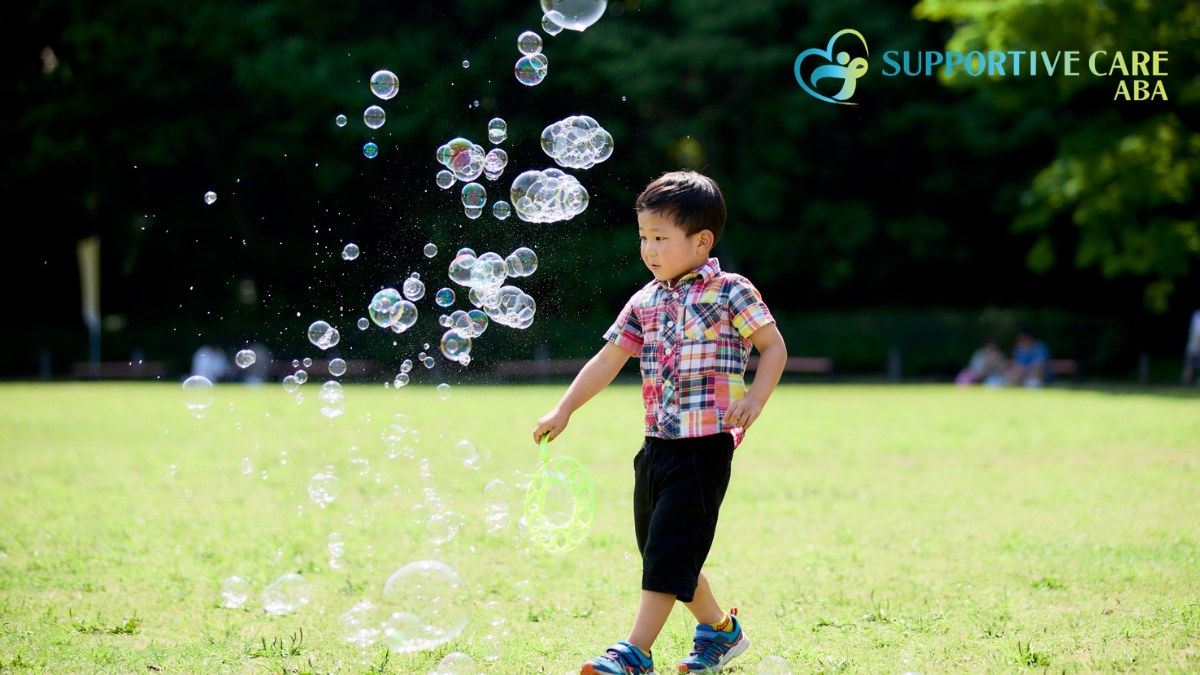
- Bubble Chasing: Children chase or pop bubbles, improving motor planning and visual tracking without loud or abrupt stimuli.
- Soft Ball Toss: Using lightweight, textured balls engages tactile and proprioceptive senses safely.
- Swing or Rocking Play: Controlled swinging or rocking activities can regulate vestibular input while encouraging motion and turn-taking.
- Beanbag Games: Throwing or catching beanbags helps develop hand-eye coordination in a calm, predictable way.
Incorporating ABA therapy principles, such as gradual exposure and positive reinforcement, ensures these activities are supportive rather than overstimulating.
Creating a Routine That Encourages Physical Play
Consistency and predictability are important for children on the spectrum. A structured routine helps children know what to expect and builds confidence.
- Set a Schedule: Designate daily or weekly time blocks for physical activity, pairing them with preferred rewards or breaks.
- Mix Skill Levels: Rotate games that focus on fine motor, gross motor, and social skills to keep sessions balanced.
- Document Progress: Track milestones such as improved balance, longer attention spans, or new social interactions. This reinforces progress for both children and parents.
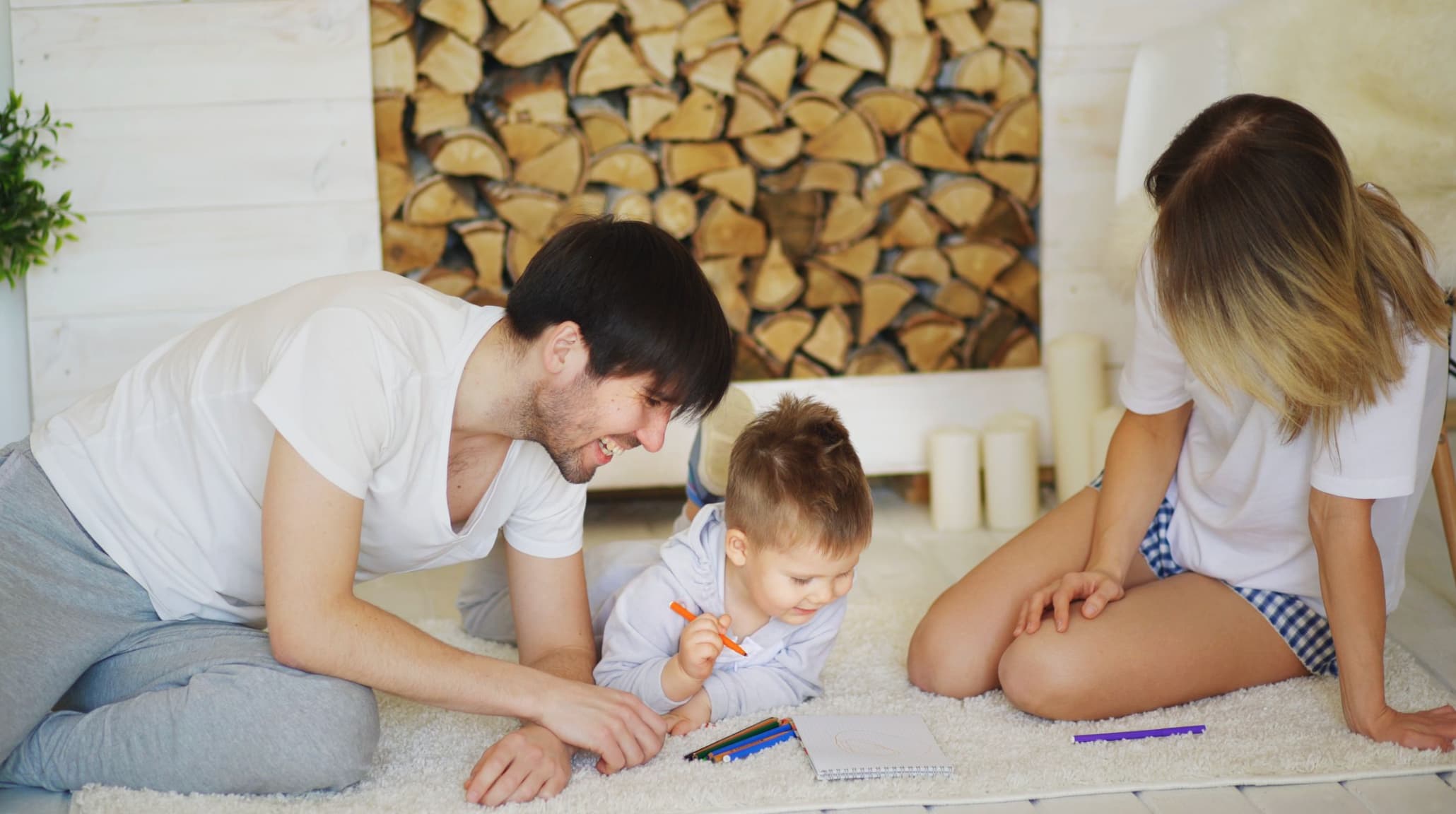
- Involve Family: Encourage siblings or caregivers to participate. Modeling behaviors enhances learning and strengthens family bonds.
A predictable yet dynamic routine fosters engagement, reduces anxiety, and provides ample opportunities for learning through play.
Safety Considerations
When introducing physical activities, safety should always be a priority:
- Use soft surfaces or mats for activities with jumping or climbing.
- Ensure adult supervision, especially during team or obstacle games.
- Adapt games to accommodate sensory sensitivities or motor challenges.
- Keep equipment age-appropriate and free from hazards.
Safety-focused play not only prevents injuries but also allows children to explore confidently, building independence and resilience.
Tips for Encouraging Engagement
Even with structured activities, some children may be hesitant or distracted. Here are strategies to promote participation:
- Offer Choices: Allow children to select games or activities, giving them a sense of control.
- Use Visual Supports: Pictures, schedules, or prompts can guide children through multi-step games.
- Reinforce Effort: Focus on participation and effort rather than performance to encourage a positive association with physical activity.
- Gradually Increase Challenge: Start simple and increase complexity as skills improve, avoiding frustration.
Consistency and encouragement help children develop confidence in their abilities, making play a rewarding and motivating experience.
Wrapping Up: Physical Activity and ABA Therapy
Integrating physical activity with ABA therapy principles creates a powerful learning environment. Games that teach and entertain not only support motor, cognitive, and social skills but also foster independence and self-confidence. Supportive Care ABA emphasizes the connection between structured play and skill-building, showing families how to incorporate these strategies at home.
For families seeking guidance and professional support, Supportive Care ABA offers comprehensive ABA therapy programs in Georgia, Oklahoma, Virginia, Indiana, and North Carolina. Their therapy emphasizes individualized, evidence-based approaches that integrate movement, play, and learning, helping children thrive in multiple areas of development. Incorporating fun physical activities into ABA therapy ensures children stay engaged, enjoy learning, and develop skills that matter in everyday life.
To learn more about how we can support your child, contact us today with our team.



.jpg)

