
Sensory Items for Autism Classroom Tools
Discover the best sensory items for autism classroom settings to boost focus, calm overstimulation, and create an inclusive learning environment.


%20(1).jpg)
Sensory Items for Autism Classroom Tools
Every student learns in their own way. For children on the autism spectrum, the classroom can sometimes feel like too much or not enough stimulation. That’s where sensory items step in. Sensory items for autism classroom settings aren’t just “extras”—they’re powerful tools that support focus, learning, and emotional balance. By meeting sensory needs, teachers can create an environment where every student has the chance to thrive.
Think about it: how many times have you seen a child lose focus because of noise, bright lights, or lack of movement? What if the right sensory tools could help them stay engaged instead of overwhelmed? The truth is, they can. In fact, research shows that well-chosen sensory items improve classroom participation, boost regulation, and even increase academic success. So, let’s explore some of the most effective sensory tools that can make a difference.
Why Sensory Tools Matter
.jpg)
Children with autism often process sensory input differently. Some are highly sensitive to sound, light, or touch. Others crave movement or deep pressure to stay calm and alert. Without support, these characteristics can lead to stress or distraction. With the right tools, however, students can regulate their sensory experiences and focus on learning.
A study published in The American Journal of Occupational Therapy found that sensory-based interventions significantly improved classroom participation for children with autism. Another research project by Pfeiffer et al. (2011) revealed that sensory tools reduced disruptive behaviors and increased time on task. Isn’t that what every teacher hopes for?
By creating classrooms that acknowledge sensory needs, we’re not just supporting autistic students—we’re building inclusive spaces where everyone benefits. After all, even neurotypical kids use movement, doodling, or music to concentrate. Sensory tools make those strategies more intentional.
Types of Sensory Needs in the Classroom
Before we dive into the tools themselves, it helps to understand the two main sensory needs you’ll encounter:
- Alerting needs—Some students are under-stimulated. They may appear sluggish, distracted, or disengaged. Alerting tools help wake up their senses.
- Calming needs—Other students experience overstimulation. They may feel restless, anxious, or overwhelmed. Calming tools help them slow down and self-regulate.
The magic of sensory tools is that many can do both, depending on how they’re used. Now, let’s look at some favorites you can add to your sensory toolbox.
Top Sensory Items for Autism Classroom
.jpg)
1. Fidget Tools
Fidgets are small, handheld objects designed to keep restless hands busy. From simple mesh-and-marble toys to silicone pop-its, these tools provide subtle movement that helps students maintain focus.
- Why they work: Research from Stalvey & Brasell (2006) showed that fidgets increased attention in students with ADHD. Similar benefits carry over to autism classrooms.
- Examples: Mesh fidgets, stress balls, or squishy toys.
Ever notice how doodling during a lecture keeps your brain engaged? That’s the same principle at play here.
2. Therapy Putty
Therapy putty is stretchy, resistant, and endlessly moldable. Students can squeeze, pull, or hide small objects in it.
- Why it works: Provides tactile input and “heavy work,” which supports both calming and alerting needs.
- Classroom tip: Use it during group time to help students stay grounded without making noise.
It’s simple, mess-free, and effective.
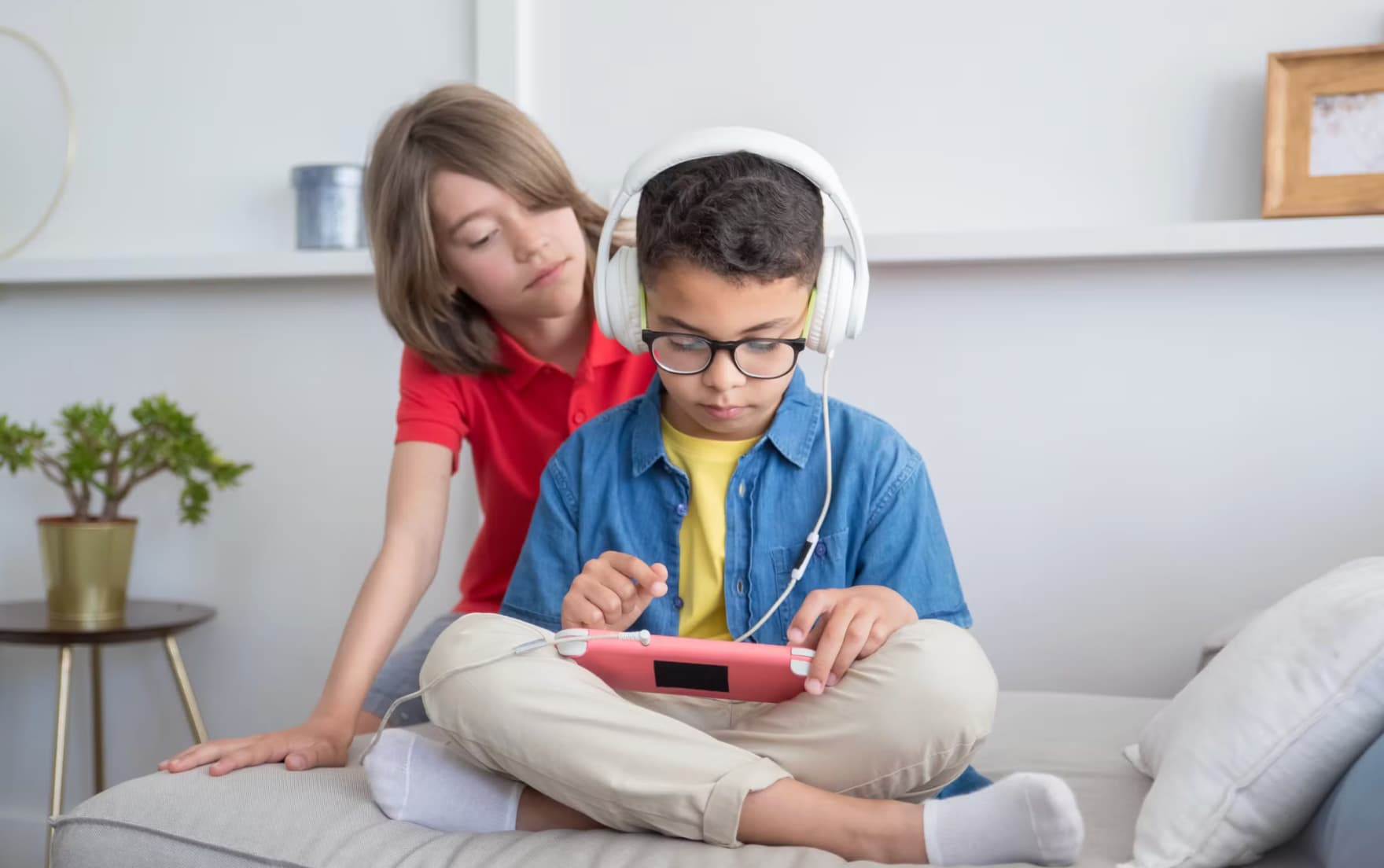
3. Noise-Canceling Headphones
For students sensitive to sound, headphones are lifesavers. They reduce background noise, helping learners concentrate on instruction or calm down during noisy transitions.
- Evidence: A 2019 study from Frontiers in Psychology highlighted how reducing auditory input decreased stress levels in autistic children.
- Classroom benefit: Quieter students mean less disruption overall.
Have you ever wished you could “mute” a noisy cafeteria? For some students, these headphones make that possible.
4. Weighted Lap Pads
These small pads provide gentle pressure when placed across a child’s lap. The deep pressure has a calming effect, similar to a reassuring hug.
- Why they work: Deep pressure stimulation is shown to activate the parasympathetic nervous system, which promotes relaxation.
- Classroom use: Perfect during reading or testing time.
A teacher once shared that lap pads became her secret tool during exams—the class was noticeably calmer.
5. Visual Timers
Time can feel abstract for many children, especially those with autism. Visual timers display the passage of time in a way that’s easy to grasp.
- Why they work: Help students transition smoothly and manage expectations.
- Practical use: Show exactly how long a break, lesson, or task will last.
Instead of saying, “Five more minutes,” students see time moving. That visual cue reduces anxiety and builds independence.
6. Jewelry
Chewelry (chewable jewelry) gives students an oral outlet for self-regulation. Chewing provides calming input for many children and prevents unsafe chewing on pencils or clothing.
- Evidence: Oral sensory input supports focus and reduces stress, according to occupational therapy guidelines.
- Tip: Choose different textures to match student preferences.
It’s discreet, safe, and helps kids manage energy levels without distraction.
7. Sensory Brushes
Also called therapeutic brushes, these provide deep pressure input when used with trained guidance. Some teachers and OTs integrate them into sensory diets for both calming and alerting effects.
- Why they matter: Regulates the nervous system, prepping students for learning.
- Note: Should only be used under professional instruction.
Think of it as pressing “reset” on a sensory system that feels off-balance.
8. Wiggle Cushions
These inflatable cushions go on chairs or the floor, giving students a chance to wiggle without leaving their seats.
- Why they work: They encourage subtle movement, which boosts attention and reduces restlessness.
- Use case: Ideal for circle time or during desk work.
Wouldn’t you focus better if you could move just a little? Many kids do.
9. Chair Bands
Chair bands are stretchy bands placed on chair legs, letting students bounce their feet while seated.
- Benefit: Provides proprioceptive input and keeps energy channeled into quiet movement.
- Result: Better focus during lessons without disrupting classmates.
Teachers often notice that once the feet get moving, the brain gets working too.
10. Calm Strips
Calm strips are textured stickers that students can rub discreetly. They’re quiet, portable, and great for tactile input.
- Why they help: Offer grounding during stress or distraction.
- Classroom tip: Stick them on desks or notebooks for easy access.
It’s like having a built-in sensory tool wherever you go.
11. Pop-Its
Love them or hate them, pop-its have become a favorite. These silicone toys provide satisfying tactile and auditory feedback.
- Best for: Short breaks or transition times.
- Note: While engaging, they may need limits to prevent distraction.
Still, when used intentionally, they can be excellent for regulation.
12. Sensory Bins
A sensory bin is filled with materials like rice, beans, or beads. Students dig, pour, and search for hidden objects.
- Why they work: Encourage exploration, tactile play, and motor skill development.
- Classroom use: Great for centers or structured breaks.
It’s hands-on learning that doubles as regulation time.
13. Visual Supports
Not every sensory tool is something to touch. Visual schedules, social stories, or calming posters also help regulate the classroom environment.
- Why they matter: Provide predictability, reduce anxiety, and guide transitions.
- Tip: Pair visuals with timers for maximum effect.
Sometimes, clarity itself is the best sensory support.
Creating a Sensory-Friendly Classroom
Adding tools is just one part of the puzzle. The real magic happens when classrooms embrace sensory needs as part of learning. Here are simple strategies:
- Offer choices. Let students pick which tool helps them best.
- Normalize use. Present tools as available for anyone, not just a select few.
- Integrate breaks. Short sensory breaks help reset attention.
- Teach self-advocacy. Encourage students to recognize their needs and ask for tools.
A 2020 study from Autism Research showed that classrooms designed with sensory accommodations saw improved peer interactions and reduced stress among autistic students. Isn’t that the kind of environment we want for every child?
FAQs About Sensory Items for Autism Classrooms
1. How do I know which sensory tools will help a student most?
Observation is key. Watch for signs of overstimulation or understimulation. Some students may need trial and error to find what works best. Collaborating with an occupational therapist can also provide tailored recommendations.
2. Can sensory tools benefit neurotypical students, too?
Absolutely. Many children find fidgets, timers, or lap pads helpful for focus and self-regulation. By making them classroom-wide tools, you normalize their use and promote inclusivity.
3. What if students become distracted by sensory tools?
That can happen. The solution is structured use. Set clear expectations about when and how tools are used. Often, distraction fades once the novelty wears off.
4. Are sensory tools meant to replace teaching strategies?
Not at all. They are supports, not substitutes. Sensory tools work best when combined with strong teaching practices, clear routines, and positive relationships.
5. How can I introduce sensory tools without singling out certain students?
One way is to let every student try tools at the start of the year. Later, allow specific students to continue with the ones they need most. This creates a sense of fairness: everyone gets what they need, which may look different for each child.
Creating Classrooms Where Every Child Thrives
Sensory items for autism classroom environments are more than helpful add-ons—they’re game-changers. At Supportive Care ABA, we’ve seen how the right tools can support focus, calm overstimulation, and awaken alertness when needed. They also make classrooms more inclusive for all learners. Imagine a classroom where every child feels equipped to learn, not held back by sensory challenges. That’s what these tools can achieve when paired with thoughtful strategies and care.
By embracing sensory-friendly practices, teachers aren’t just making lessons smoother—they’re giving students the gift of confidence and success. For families across Georgia and beyond, Supportive Care ABA is here to provide guidance and individualized support. If you’d like to learn more about how these approaches can make a difference for your child, reach out to us today. Together, we can help every student find their path to thriving in the classroom and beyond.



.jpg)



.jpg)