Communication in Autism: How to Help Kids Express Themselves
Communication in autism impacts growth and confidence. Learn effective ways to help kids express needs clearly and connect better with those around them.



Communication in Autism: How to Help Kids Express Themselves
Key Points:
- Communication challenges in autism can impact emotional growth, social skills, and confidence.
- Strategies like visual support, modeling, and structured interactions can improve expressive abilities.
- Early and consistent interventions, including ABA therapy, support meaningful connections and independence.
Communication in autism impacts growth and confidence. Kids with autism often face challenges expressing needs, emotions, and thoughts, which can affect their ability to connect with family, peers, and teachers. While these challenges vary widely among children, there are practical, research-backed ways to support communication development.
Understanding Communication Challenges in Autism
Before diving into strategies, it’s important to understand what communication in autism often looks like. Children with autism may struggle with:
- Verbal communication – Some children may have limited speech or use unusual language patterns, like echolalia (repeating words or phrases).
- Nonverbal communication – Difficulty interpreting or using gestures, facial expressions, and body language can make social interactions confusing.
- Pragmatic language skills – This involves understanding the rules of conversation, such as turn-taking, maintaining topic relevance, or adjusting speech to the listener’s needs.
These challenges are not due to a lack of intelligence or motivation but rather differences in neurological processing. Recognizing these differences helps parents and caregivers respond with targeted support rather than frustration.
Early Intervention and the Role of ABA Therapy
Effective communication support often begins early. Applied Behavior Analysis (ABA) therapy has a strong track record in helping children with autism develop functional communication skills. By breaking communication into manageable, measurable steps, ABA therapy can:
- Improve requesting skills – Teaching children to ask for items or help reduces frustration and builds independence.
- Encourage expressive language – Through modeling, prompting, and reinforcement, children learn to express needs and feelings more clearly.
- Enhance social reciprocity – Structured activities promote taking turns, responding to peers, and maintaining attention during interactions.
Engaging in ABA therapy with a knowledgeable team ensures interventions are individualized, making progress more meaningful and sustainable.
Strategies to Support Communication at Home and School
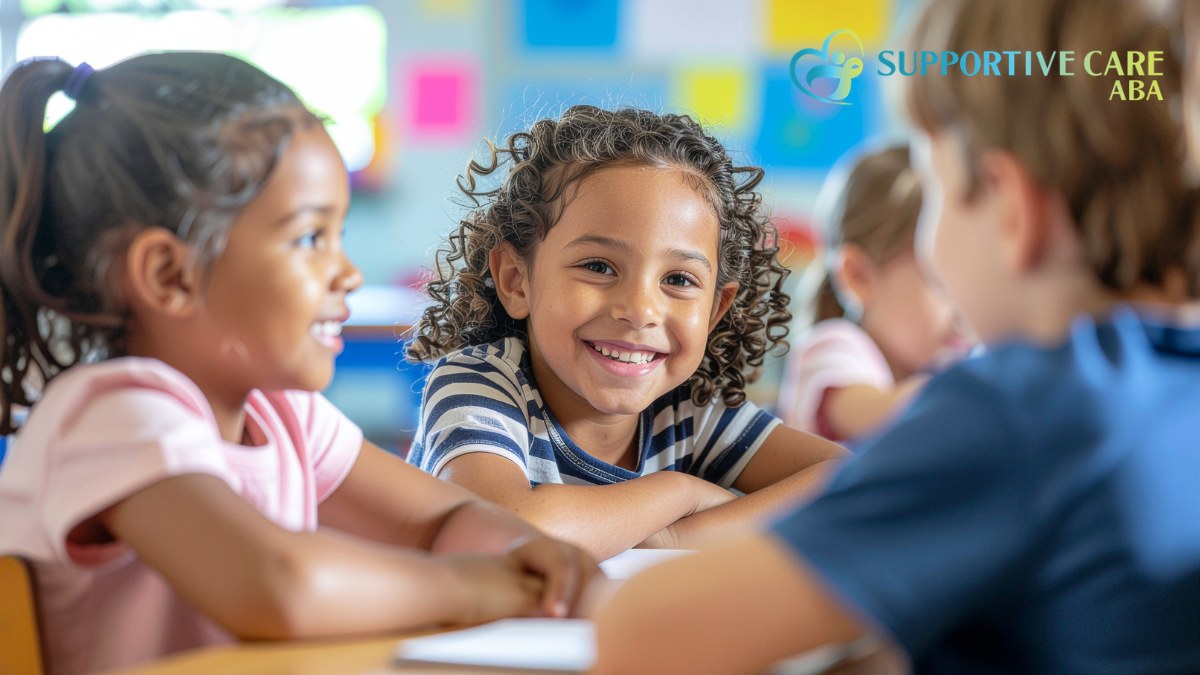
Implementing communication strategies across settings reinforces learning and encourages generalization. Here are key approaches parents and educators can use:
1. Visual Supports and Communication Tools
Children with autism often respond well to visual cues, which reduce reliance on verbal instructions. Visual supports include:
- Picture Exchange Communication System (PECS) – Enables children to hand over a picture to request an item or activity.
- Visual schedules – Outlining daily routines with images helps children anticipate transitions and follow instructions independently.
- Communication boards or apps – Digital or physical boards allow children to select symbols, words, or phrases to communicate needs efficiently.
Using visuals consistently provides clarity, reduces anxiety, and empowers children to communicate without verbal speech.
2. Modeling and Imitation
Children often learn communication skills by observing and mimicking others. Parents and caregivers can:
- Model words and phrases – Speak clearly, slowly, and with repetition to reinforce vocabulary.
- Demonstrate gestures and facial expressions – Pair verbal language with gestures to enhance understanding.
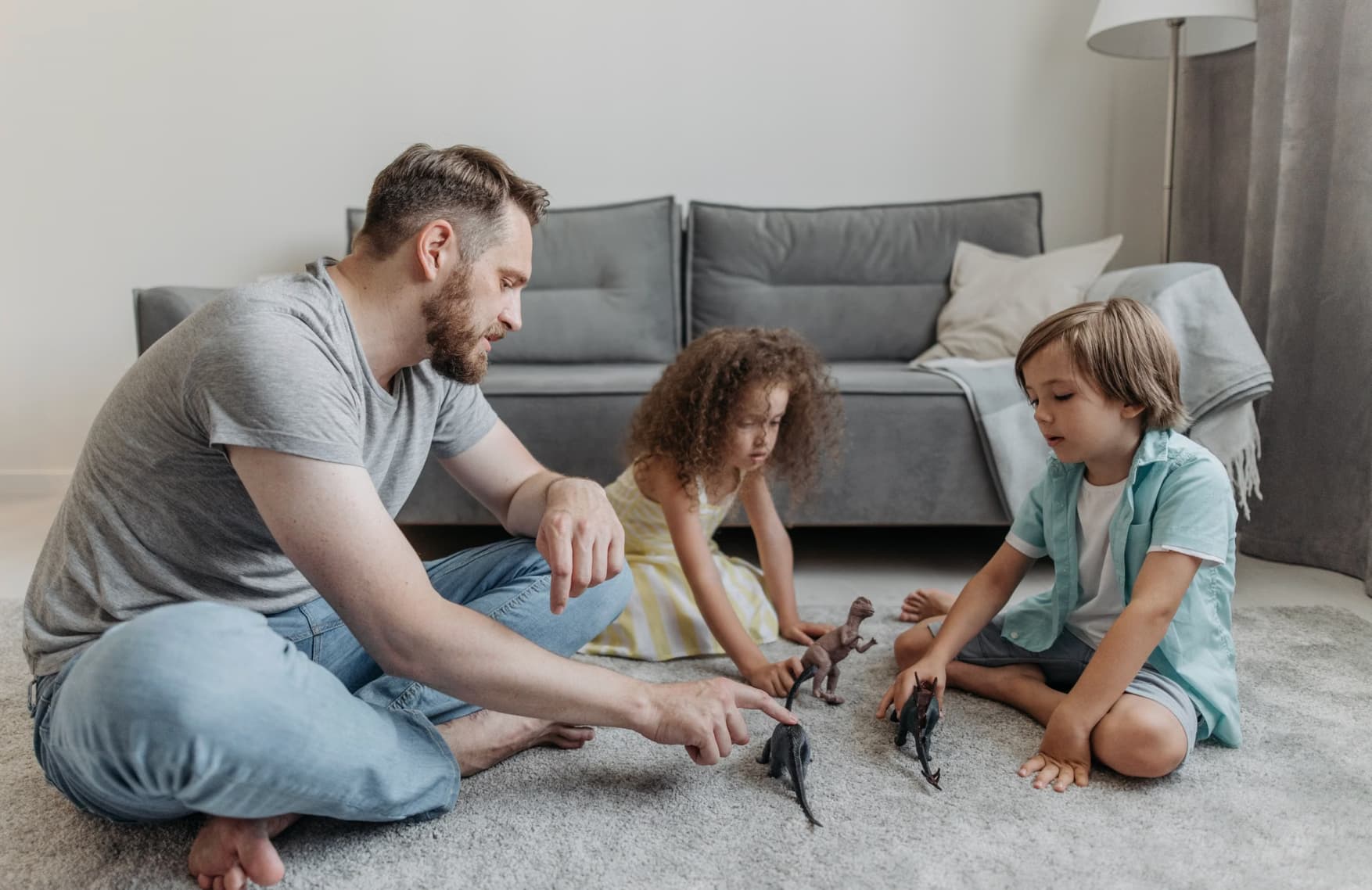
- Engage in parallel play – Imitate the child’s actions during play and gradually introduce simple language or choices.
Modeling encourages natural communication development and helps children link words to actions and emotions.
3. Structured Social Interaction
Targeted social practice provides a safe environment for communication skill-building. Consider:
- Role-playing games – Simulate everyday scenarios like ordering at a restaurant or greeting a neighbor.
- Small-group playdates – Short, structured sessions with peers teach turn-taking and conversational flow.
- Social stories – Short, narrative scripts explain social situations and expected responses, reinforcing understanding of social norms.
Introducing structured interactions regularly builds confidence, reduces social anxiety, and increases opportunities for meaningful communication.
4. Prompting and Reinforcement
ABA principles like prompting and reinforcement are highly effective for teaching communication skills. A brief guide:
- Prompting – Use verbal, visual, or physical cues to guide the child toward the correct response.
- Fading prompts – Gradually reduce assistance to encourage independence.
- Reinforcement – Provide immediate praise, tokens, or preferred items to reward successful communication attempts.
Consistent reinforcement strengthens new skills, encourages repetition, and helps children generalize communication across environments.
5. Supporting Emotional Expression
Communication isn’t only about words; it’s also about expressing emotions effectively. Parents can help by:
- Labeling feelings – Model words like “happy,” “frustrated,” or “excited” when describing the child’s or others’ emotions.
- Using emotion charts – Visual tools for identifying feelings support self-awareness and regulation.
- Practicing coping strategies – Teach deep breathing, choice-making, or requesting help when emotions become overwhelming.
Helping children articulate feelings reduces meltdowns and strengthens their ability to navigate social situations successfully.
Incorporating Technology and Assistive Devices
Many children benefit from assistive technologies, which supplement communication and make it more interactive. Examples include:
- Speech-generating devices (SGDs) – Allow children to select phrases or sentences that are spoken aloud.
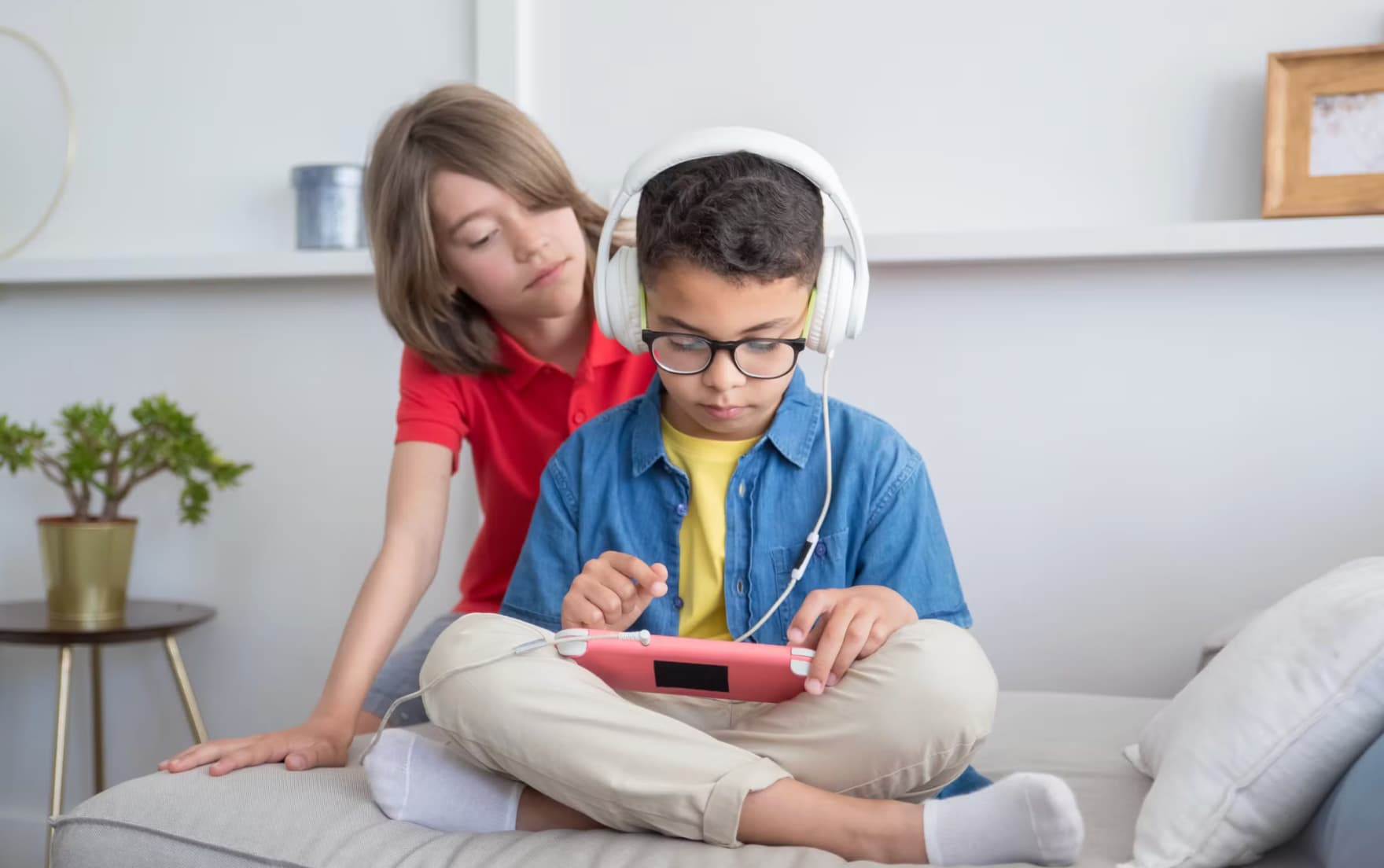
- Communication apps on tablets – Provide customizable vocabulary and interactive visuals.
- Video modeling – Shows correct behaviors or social scripts through short clips, reinforcing learning visually.
Technology can bridge communication gaps, especially for nonverbal children, and fosters independence when integrated thoughtfully with daily routines.
Monitoring Progress and Adjusting Approaches
Tracking communication progress ensures strategies remain effective. Parents and caregivers should:
- Keep a communication journal – Document new words, gestures, or successful requests daily.
- Set small, measurable goals – Focus on specific skills like using a new word or requesting help independently.
- Collaborate with therapists and educators – Regularly review goals, techniques, and progress to refine strategies.
Ongoing monitoring provides insight into what works best for each child, ensuring continuous improvement and sustained skill growth.
Promoting Peer Relationships and Social Engagement
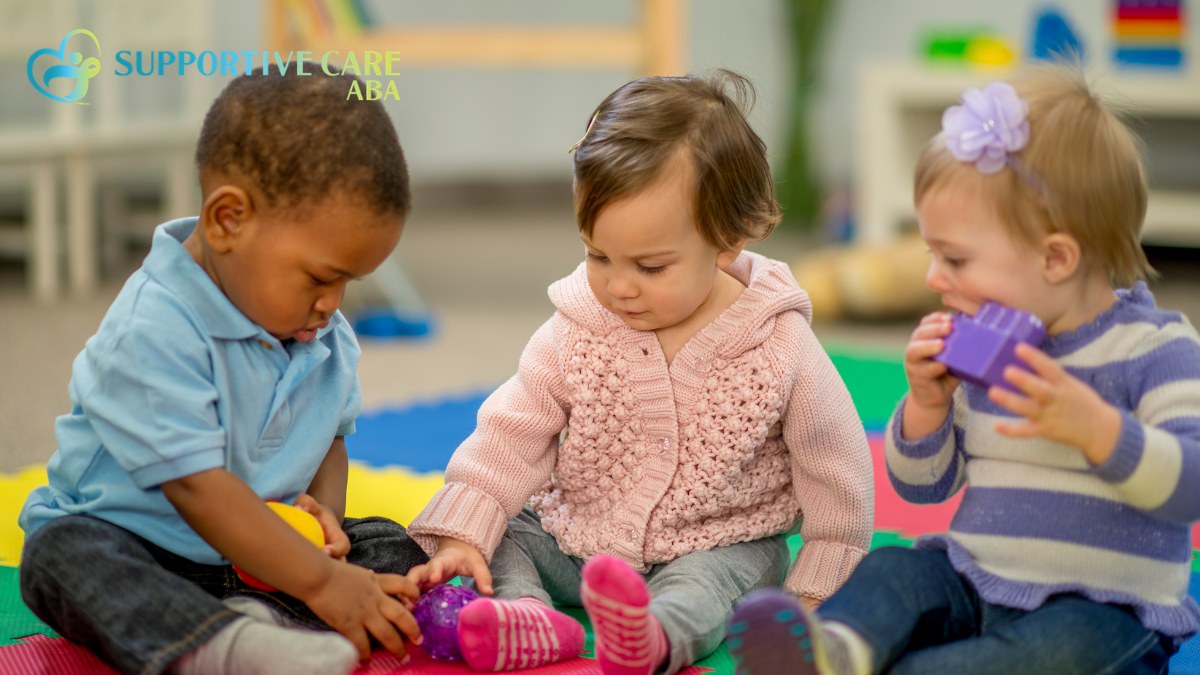
Effective communication underpins healthy peer interactions. Encouraging social engagement includes:
- Guided playgroups – Structured settings with clear roles allow children to practice social rules.
- Mentorship programs – Older peers or siblings can model communication skills.
- Community activities – Involvement in safe, supportive settings like art classes or sports teaches real-world communication and socialization.
Consistent practice with peers helps children generalize skills beyond therapy or home settings and nurtures meaningful friendships.
Personalized ABA Therapy to Help Your Child Thrive
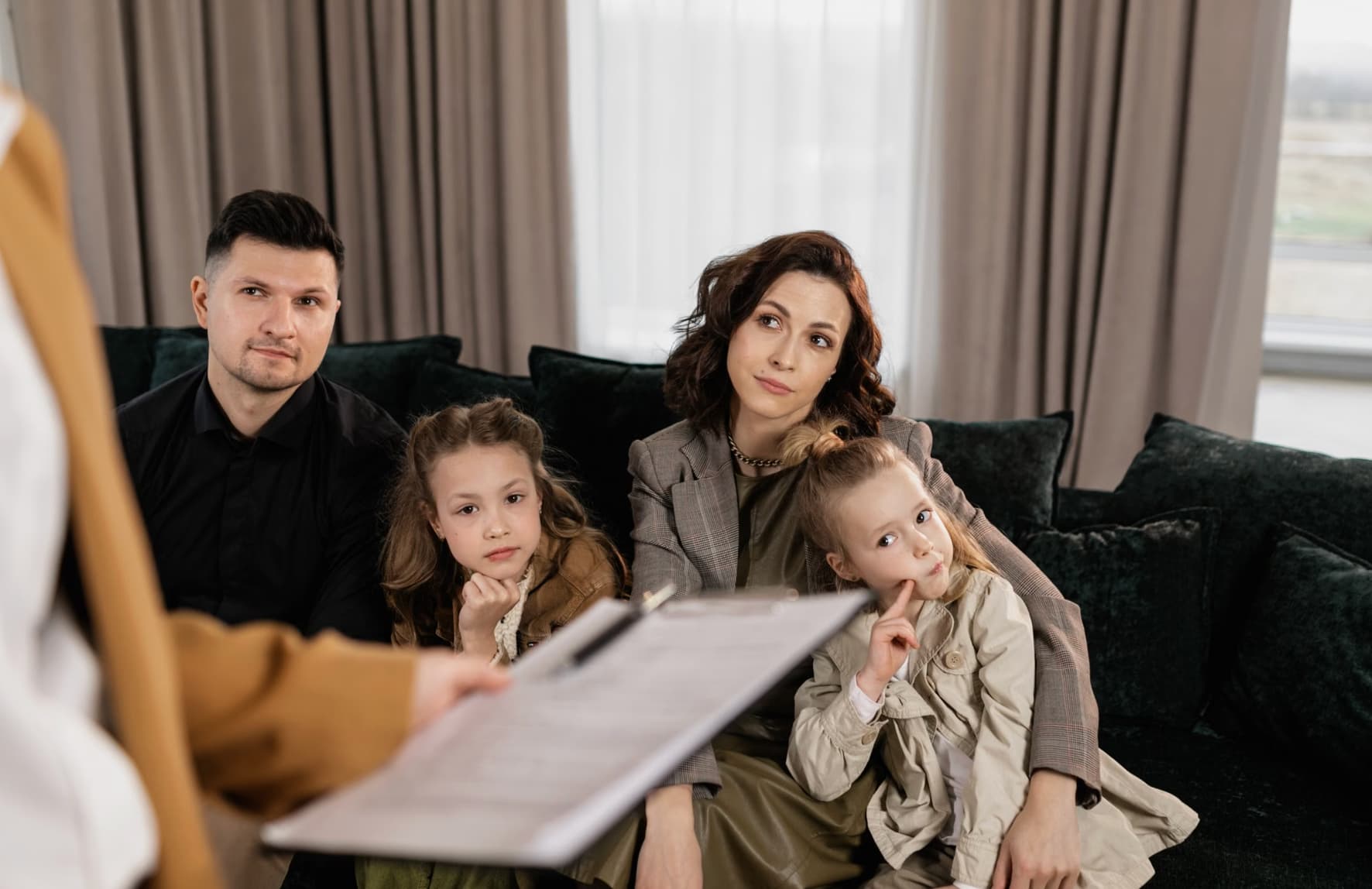
Helping children express themselves is a journey that involves understanding their unique needs, providing supportive tools, and practicing consistently. Supportive Care ABA specializes in guiding families through this process, offering individualized ABA therapy that strengthens communication, builds confidence, and enhances social connection.
If you’re looking for comprehensive support, contact us at Supportive Care ABA. We provide personalized ABA therapy in Virginia, Georgia, Oklahoma, Indiana, and North Carolina, helping children with autism communicate more effectively, express their needs clearly, and thrive socially.


.jpg)



.jpg)