
Autism Caused by Environment: 7 Factors Parents Must Know
Autism caused by the environment can be influenced by 7 key factors. Parents must know these risks to protect and support their child’s development.


Autism Caused by Environment: 7 Factors Parents Must Know
Key Points:
- Environmental influences, from prenatal exposure to toxins to parental lifestyle, can play a role in autism development.
- Understanding these factors can help parents make informed decisions to support their child’s growth and well-being.
- Early intervention through ABA therapy can address challenges associated with environmental risk factors and promote skill development.
Autism spectrum disorder (ASD) is complex, and while genetics play a significant role, researchers have increasingly focused on how the environment might contribute. The concept of environmentally linked autism refers to how outside influences—such as chemicals or parental habits—might impact autism risk. Understanding these environmental contributors empowers parents to make informed choices, minimize risks, and seek early support when needed. Early intervention, such as ABA therapy, can be particularly effective in helping children navigate these challenges.
In this article, we’ll explore seven environmental factors that have been studied in relation to autism, offering practical insights for parents.
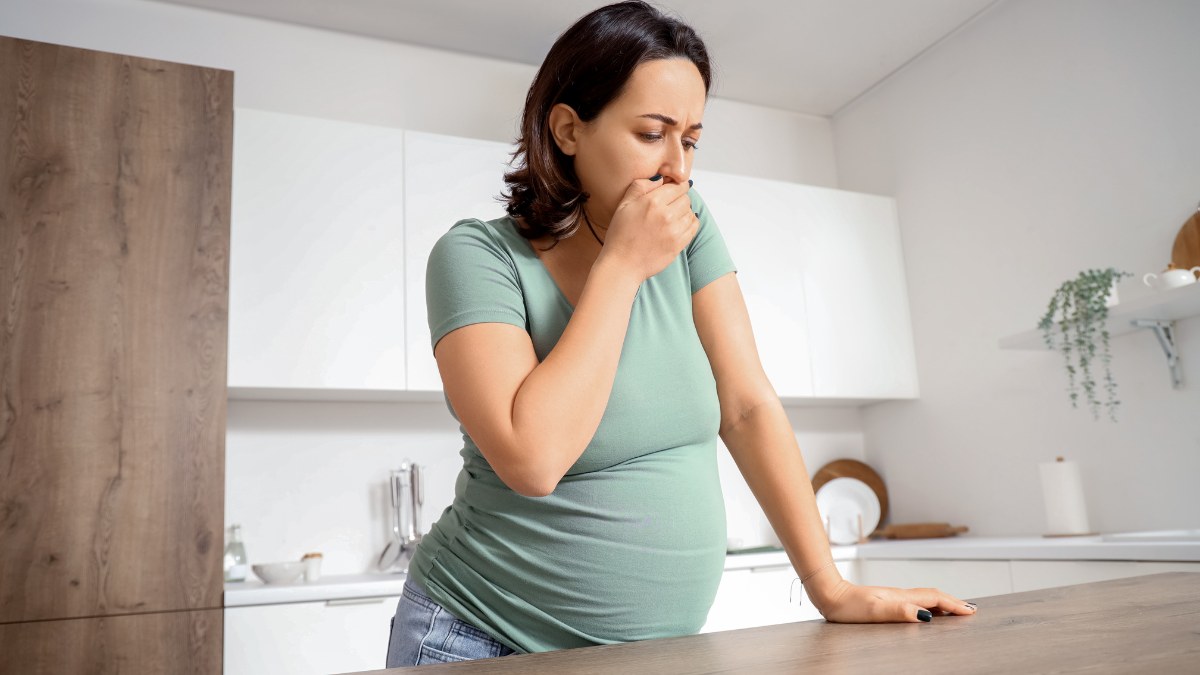
Prenatal Exposure to Chemicals and Toxins
Before birth, a developing baby is especially sensitive to environmental influences. Certain chemicals can affect brain development and may increase autism risk.
Research has shown that prenatal exposure to substances such as pesticides, phthalates (found in plastics), and heavy metals like lead or mercury can interfere with neurological development. Even household products—like cleaning agents or aerosol sprays—contain chemicals that may be harmful if exposure is frequent or prolonged.
Practical tips for parents:
- Limit exposure to harsh cleaning chemicals during pregnancy.
- Avoid areas recently treated with pesticides or herbicides.
- Choose natural or organic personal care products when possible.
Understanding these risks highlights why prenatal care and a toxin-aware lifestyle can make a difference in a child’s developmental journey.

Maternal Health and Lifestyle
The health of a mother during pregnancy can influence her child’s neurological development. Chronic illnesses, infections, and even nutritional deficiencies have been linked to increased autism risk.
Some factors include:
- Diabetes or obesity: Both conditions can create inflammatory environments that may affect fetal brain development.
- Vitamin D deficiency: Adequate vitamin D is crucial for brain and immune system development.
- Maternal infections: Viral or bacterial infections during pregnancy may impact neurodevelopment.
Maintaining a balanced diet, managing pre-existing health conditions, and working closely with healthcare providers can reduce these environmental risks.
Air Pollution
The quality of the air a child is exposed to before and after birth can influence brain development. Studies indicate a connection between exposure to air pollutants—like nitrogen dioxide, particulate matter, and vehicle exhaust—and increased rates of autism.
Air pollution can cause inflammation and oxidative stress in the developing brain. Prolonged exposure may disrupt neural connections crucial for communication, social skills, and cognitive growth.
Strategies for parents:
- Use air purifiers at home, especially in high-traffic areas.
- Limit outdoor activities during high-pollution days.
- Advocate for cleaner air policies in your community.
By reducing exposure to pollutants, families can create a healthier environment that supports neurological development.
Parental Age
Advanced parental age—both maternal and paternal—has been associated with a higher likelihood of autism. This is considered an environmental factor because it relates to biological changes over time rather than direct genetics.
Older parents may be more likely to experience mutations in sperm or egg cells, and these subtle genetic changes, combined with environmental exposures, could increase autism risk.
Key considerations:
- Regular prenatal checkups and genetic counseling can help prospective parents understand potential risks.
- Maintaining overall health and lifestyle habits may mitigate some age-related factors.
While age alone does not determine autism, awareness allows for proactive measures in family planning and prenatal care.
Prenatal Medication Exposure
Certain medications taken during pregnancy can influence neurodevelopment. Although some are necessary for maternal health, it’s important to understand potential risks.
Examples include:
- Valproic acid (for epilepsy): Linked to higher autism risk when taken during the first trimester.
- Selective serotonin reuptake inhibitors (SSRIs): Some studies suggest a small increased risk, though findings are mixed.
- Other prescription or over-the-counter drugs: Consultation with a healthcare provider is crucial to balance benefits and potential risks.
Parent guidance:
- Always discuss medications with your obstetrician before or during pregnancy.
- Explore alternative treatments or dosage adjustments if appropriate.
Monitoring medication exposure ensures that both mother and child remain as safe as possible during critical developmental periods.
Nutritional Deficiencies
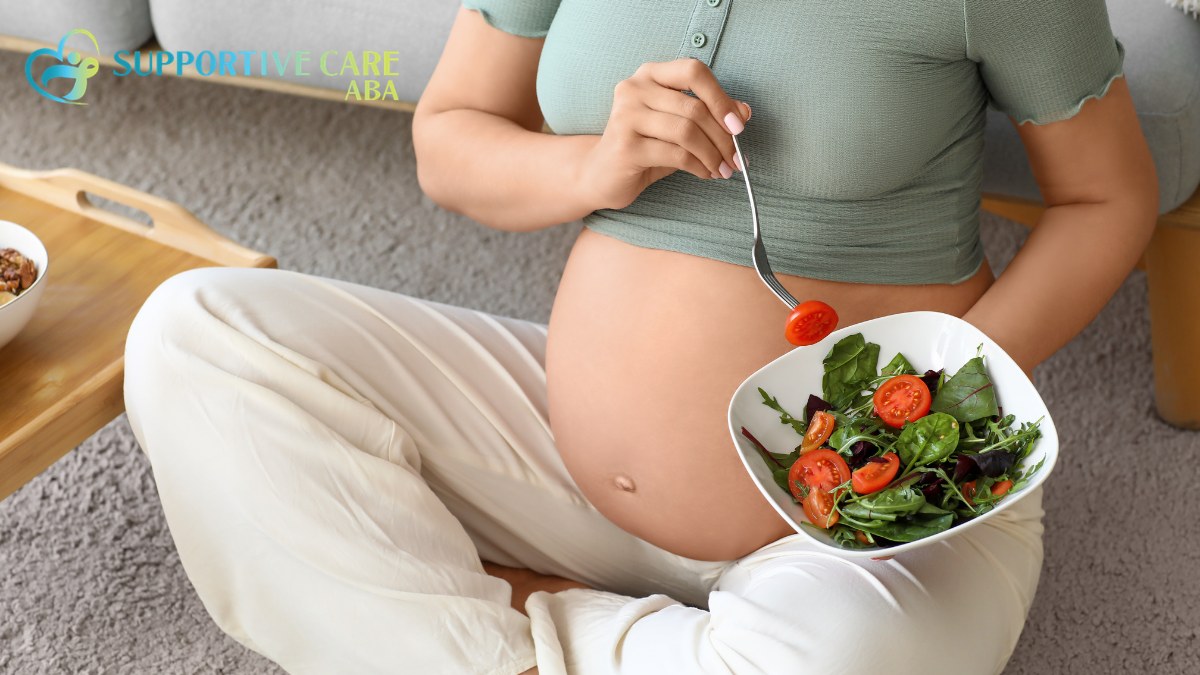
Nutrition plays a vital role in brain development. Deficiencies in essential nutrients—both prenatally and during early childhood—can contribute to neurological challenges that may manifest as autism-related behaviors.
Common nutrients of concern include:
- Folate (Vitamin B9): Critical for early neural tube development.
- Iron: Supports neurotransmitter function and overall brain health.
- Omega-3 fatty acids: Key for synapse formation and communication between neurons.
Practical advice:
- Eat a balanced diet rich in leafy greens, lean proteins, and fatty fish.
- Consider prenatal vitamins as recommended by a healthcare provider.
- Monitor your child’s diet post-birth for essential nutrients, especially during the first three years.
Good nutrition can help minimize risk and provide a strong foundation for neurological development.
Early Life Stress and Environmental Instability
The environment a child experiences after birth can also influence developmental outcomes. Chronic stress, exposure to trauma, and unstable home environments may affect brain architecture in ways that exacerbate autism-related traits.
Factors to consider:
- Chronic family stress: Prolonged exposure to conflict or instability can influence behavioral regulation.
- Noise pollution or overstimulation: High-stimulation environments can overwhelm a child’s sensory processing.
- Limited social interaction: Reduced opportunities for play and communication may slow social skill development.
Supporting your child:
- Create predictable routines and safe spaces.
- Introduce calming sensory activities and quiet time.
- Engage in early interventions, like ABA therapy, to provide structured support.
Addressing environmental stressors early can help children thrive despite potential vulnerabilities.

Why ABA Therapy Matters
Understanding how autism caused by the environment can manifest emphasizes the importance of early, structured intervention. ABA therapy (Applied Behavior Analysis) is evidence-based and helps children develop essential skills while addressing challenging behaviors linked to environmental factors.
At Supportive Care ABA, we provide compassionate, personalized care to ensure your child receives strategies tailored to their needs. From improving communication and social interaction to enhancing daily living skills, our programs are designed to help children thrive. Families can access ABA therapy in Virginia, Georgia, Oklahoma, Indiana, and North Carolina that focuses on skill-building and positive reinforcement, helping children overcome obstacles influenced by environmental factors.
Start your child’s journey today—contact us to learn how our ABA therapy can support long-term growth and independence.



.jpg)
.jpg)

%20(1).jpg)
.jpg)

%20(1).jpg)