
ABA Therapy Sessions in Kansas: What to Expect With Supportive Care ABA
Looking for in-home ABA therapy in Kansas? See what to expect, skills your child may work on, and how Supportive Care ABA helps skills carry over to school.



ABA Therapy Sessions in Kansas: What to Expect With Supportive Care ABA
Quick Summary
- In-home ABA therapy in Kansas fits around your family's routine.
- Supportive Care ABA builds each plan around your child's needs so strategies taught at home carry over into other settings.

Most parents want to know the same few things before therapy starts. What does a session at home involve? Which skills come first? And once a child picks something up at home, does it stay there, or does it go with them? We hear these questions constantly from families across Kansas.
Here's what in-home ABA therapy in Kansas tends to look like, a few strategies kids often start with, and why those skills usually don't stay stuck inside the house.
What In-Home ABA Therapy in Kansas Can Look Like
In-home autism therapy in Kansas happens somewhere your child already knows. Could be the kitchen table. Could be the living room rug, or the backyard once the weather's decent. Nothing about the space is unfamiliar, and that ends up mattering more than many parents expect going in.
It's not a classroom with flashcards lined up in a row. A therapist works structured goals into whatever's already happening that day. Snack time turns into practice. Getting dressed does too, some mornings. Even a favorite game, if that's where the moment happens to land. A skill sticks better when a kid learns it somewhere they'll use it again tomorrow.
Parents are involved too. A therapist might walk you through how to prompt a request over dinner, or what to do when your child hits a wall mid-transition. The daily routine your family's already doing turns into practice, without piling anything extra onto your day.
What To Expect From ABA Therapy in Kansas: The First Few Weeks
Before anything home-based starts, a Board Certified Behavior Analyst (BCBA) runs an assessment. That's where your child's strengths get mapped out, along with the harder spots and whatever goals make sense to tackle first.
Nobody dives into drills right away. The early stretch is mostly about figuring out what motivates your child and how they'd rather communicate. Structured work waits until that groundwork is there, because skipping ahead rarely works.
Strategies Your Child Might Work On At Home
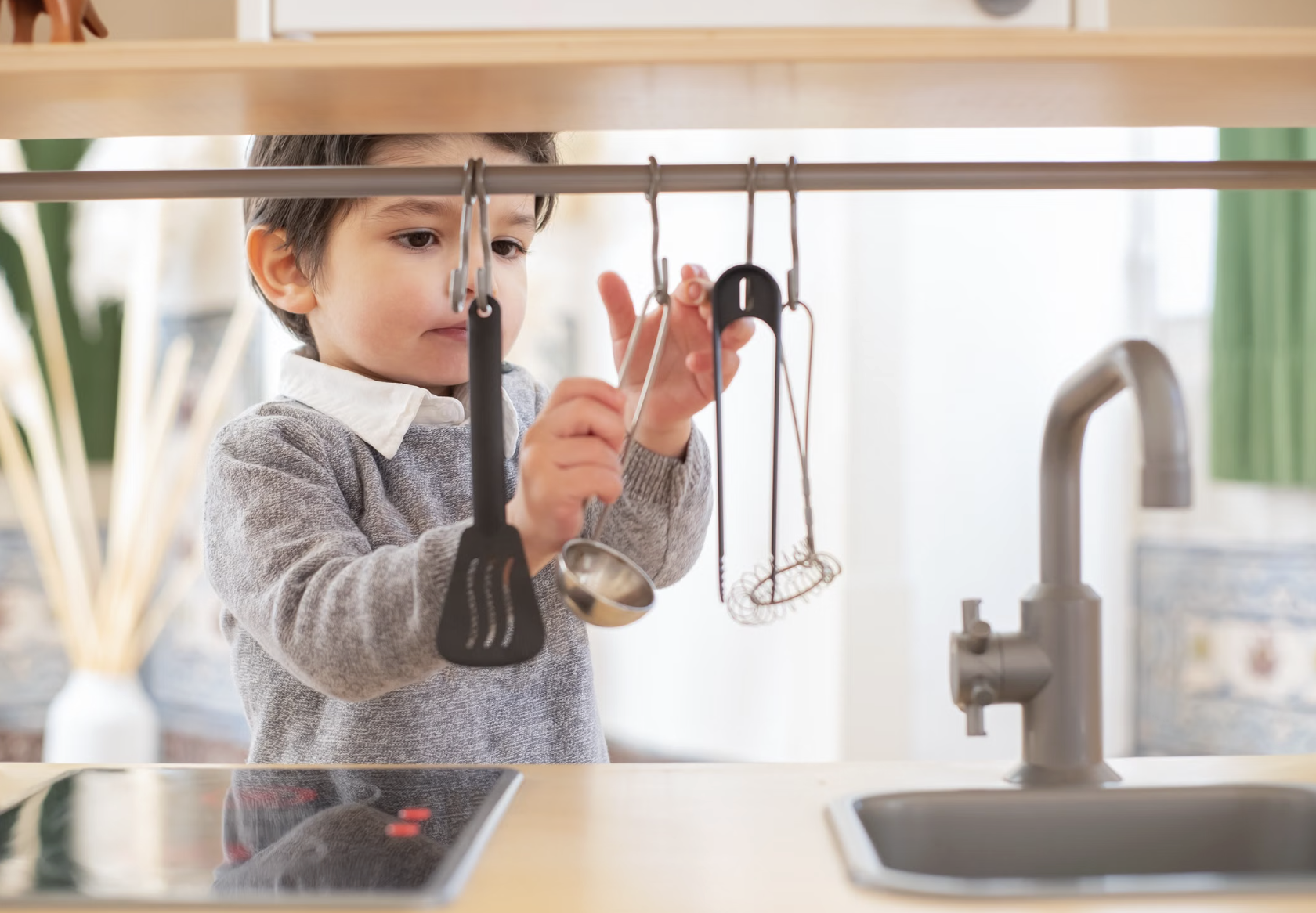
Plans differ from kid to kid. But a few things come up again and again once at-home sessions get going in Kansas.
Communication is often where plans start. Strategies worked on can look like:
- Asking for a toy or a break in steps.
- Following directions tends to slot in not long after, and it's often worked into a family’s daily routine.
- Transitions get worked on too, since moving from playtime to dinner (or the house out to the car) tends to go easier once a visual schedule or a countdown warning is added to a routine.
- Social skills are taught too, things like taking turns or greeting someone by name, small enough that a child can rehearse them at home before trying them out with classmates.
- If frustration is a recurring issue, a therapist might spend time on a calming strategy a child can reach for instead of just reacting.
Skills practiced daily, in the place a kid already spends most of their time, are how they stick and transfer to other environments.
How Skills Transfer From Home To School
Does progress at home go anywhere, or does it stay stuck in the living room? It travels, but only if the plan's built with that in mind from the start.
Say a child learns to ask for a break instead of melting down during a rough moment at home. Our team works with parents to prompt that same thing elsewhere, and we stay in touch with teachers so it carries into the classroom too. A teacher who knows to offer a break card before things spiral, instead of reacting once they already have, helps that skill hold up outside the house.
Following directions works the same way, more or less. A child who's practiced multi-step instructions at home usually handles similar ones from a teacher without much fuss. Social skills rehearsed with a sibling or parent tend to carry over into classroom interactions too, especially when a BCBA builds those chances into the plan on purpose instead of just hoping they happen.
Home and school aren't kept separate at Supportive Care ABA. We stay in contact with teachers and IEP teams when it helps, so what a child works on during in-home sessions doesn't get left behind. It shows up at school as well.
In-Home ABA vs. Center-Based ABA
How does home-based ABA therapy in Kansas differ from a center-based program? Both rely on the same underlying principles, really. The difference is where the work happens.
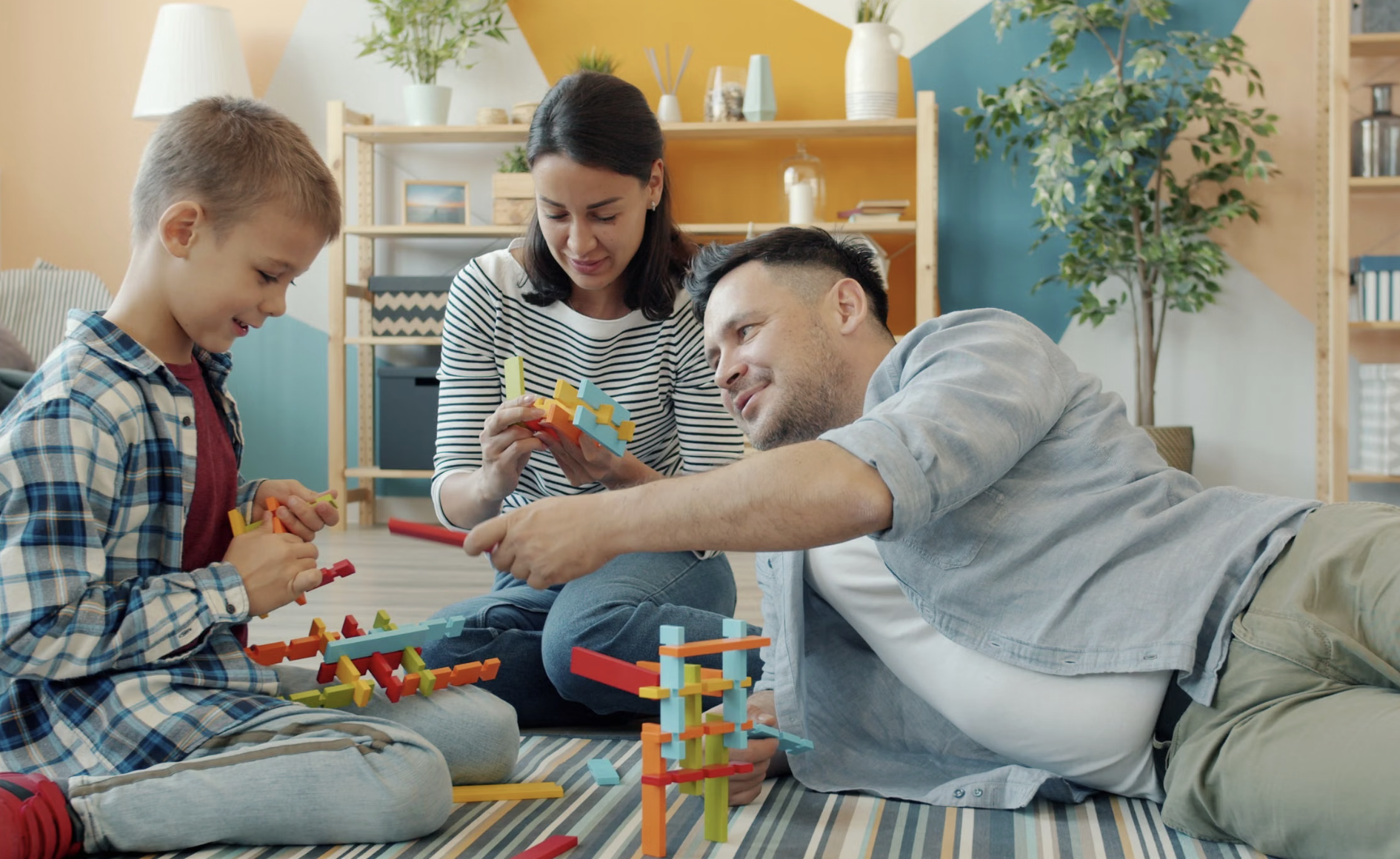
In-home sessions put a therapist inside a space your child already knows, with the family's own routines, siblings, and background noise included. That setup makes it easier to build skills that hold up in daily life, since there's no gap between clinic and home to bridge later. Parents also tend to get more involved simply because sessions happen wherever the family already spends its time.
Center-based programs offer something in-home sessions can't match quite as easily. Other kids are there, which means more built-in chances for peer interaction. Some children do better with that structure and the extra social practice throughout the day.
There's no single right answer here. A child who needs a calmer, more familiar space to focus might do better at home. The right ABA setting depends on what your child needs.
At Supportive Care ABA, we lean toward in-home ABA therapy. Mostly because we've watched how much progress happens when a child gets to build skills right where they already live their everyday life.
How Supportive Care ABA Supports Your Family
Every plan starts with a full assessment from a BCBA. After that, our team doesn't step back. BCBAs supervise sessions directly and adjust things as a child grows, instead of setting a plan once and walking away from it. Parent guidance isn't tacked on later, either. It's part of the process from week one. We coordinate with schools and IEP teams when it makes sense, and benefits checks happen in-house before any session gets scheduled.
Take a look at our full range of services or check our locations page to confirm coverage in your part of Kansas.

Common Questions Parents Ask Us
1. What does ABA at home look like day to day?
Mostly a mix of structured skill work and natural play, folded into whatever your child's routine already is. A therapist follows the plan a BCBA set but shifts things around depending on how the day's going.
2. What does an ABA plan focus on?
Communication and requesting skills usually come first in a plan, since they cut down on frustration fast and give a kid a real way to ask for what they need instead of acting out. Everything else tends to build from there.
2. Do skills learned at home show up at school?
Generally, yes, assuming the plan's built for it. We stay in touch with teachers and IEP teams so what a child practices at home keeps being useful once they're sitting in a classroom.
3. Are parents involved?
Parents aren't just allowed in sessions. It's part of how this works. We'll walk you through strategies you can use outside scheduled sessions too, not only during them.
4. What about insurance?
As for insurance, coverage comes down to your specific plan. We run benefits checks in-house so nobody's left guessing about cost before sessions even start.

Ready to Get Started?
If ABA therapy sessions in Kansas are on your mind, our team at Supportive Care ABA can walk through every step with you. Starting with that first assessment, all the way through to your child's first session at home.
Call us at 317-936-1240, email info@supportivecareaba.com, or fill out our contact form, and we'll call you back. You can also start intake directly whenever you're ready. Know a family who might benefit from our support? Feel free to refer a patient. And if you're looking for a team that puts children first, our careers page is worth a look.
We're glad to walk beside your family as your child grows.


.jpg)