ABA Therapy for Selective Mutism in Kids
ABA therapy can help children with autism who experience selective mutism. Discover behavioral strategies and ABA and speech therapy combinations.


.jpg)
ABA Therapy for Selective Mutism in Kids
Some children speak comfortably at home but become quiet or are unable to speak in other situations. Parents may notice that their child talks freely with family members yet remains silent at school, in social settings, or around unfamiliar people. This pattern is often described as selective mutism, and it can be confusing and concerning for families.
Selective mutism is often connected to anxiety, and it can also occur in children with autism. Communication differences, social uncertainty, and sensitivity to new environments can make speaking in certain situations feel overwhelming. When selective mutism appears alongside autism, children often need gentle and structured support to become more comfortable communicating.
ABA therapy can help children with autism who struggle with selective mutism by building communication skills in a gradual and supportive way. Rather than forcing children to speak, therapy focuses on helping children feel safe and confident enough to communicate in different environments.
Understanding Selective Mutism in Children with Autism
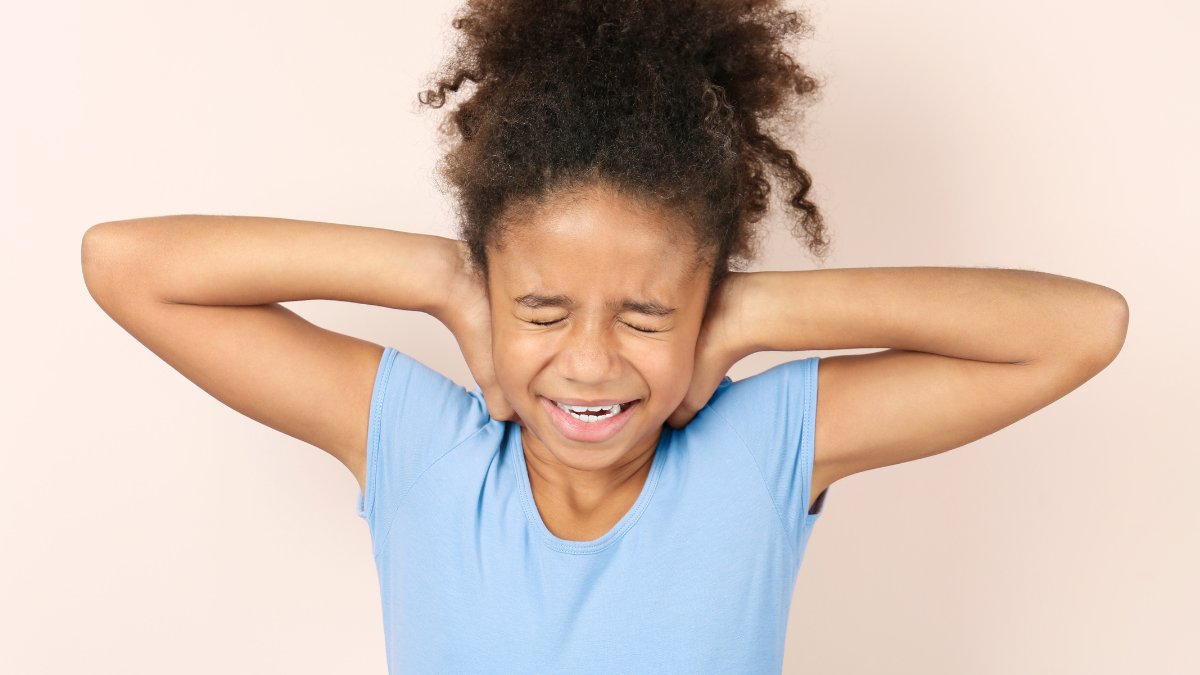
Selective mutism is not simply shyness or refusal to talk. Many children who experience this challenge want to communicate but feel unable to do so in certain situations. Anxiety often plays a significant role, and children may freeze or withdraw when they feel overwhelmed.
For children with autism, communication challenges can increase the likelihood of selective mutism. Social situations often involve unpredictable conversations and expectations, which can make speaking feel stressful. When children feel unsure about what to say or how to respond, remaining silent can feel safer than attempting to communicate.
An effective anxiety-based mutism treatment approach focuses on helping children feel comfortable and supported while they develop communication skills.
How ABA Therapy Supports Communication
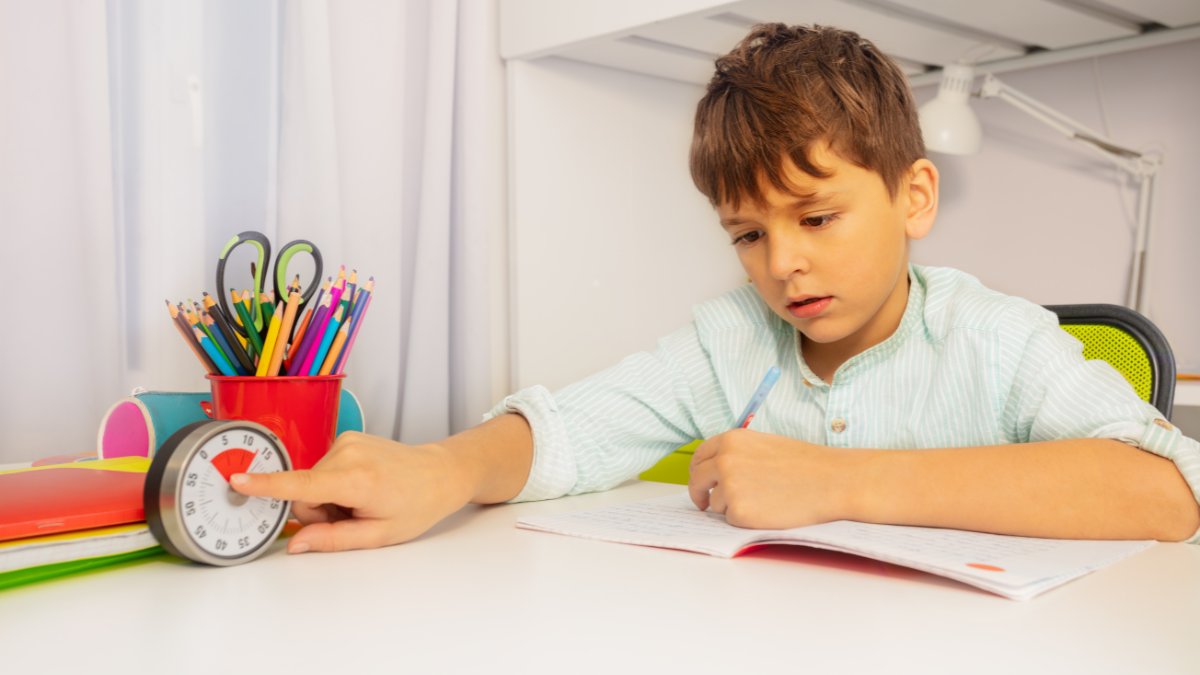
ABA therapy helps children build communication skills step by step. Instead of expecting immediate verbal communication, therapists often begin by supporting smaller forms of communication such as gestures, pointing, or short responses.
Gradual progress is especially important when working with selective mutism. Children often need time to build trust and confidence before they feel ready to speak in new environments.
ABA therapy may support communication by:
- Creating predictable interaction routines
- Practicing communication in familiar settings
- Reinforcing attempts to communicate
- Expanding communication step by step
- Reducing pressure to speak
This structured approach helps children experience success while developing confidence.
Treating Selective Mutism Behaviorally
Many families wonder about treating selective mutism behaviorally and whether therapy can help reduce anxiety around speaking. ABA therapy focuses on observable behaviors and the situations where communication becomes difficult.
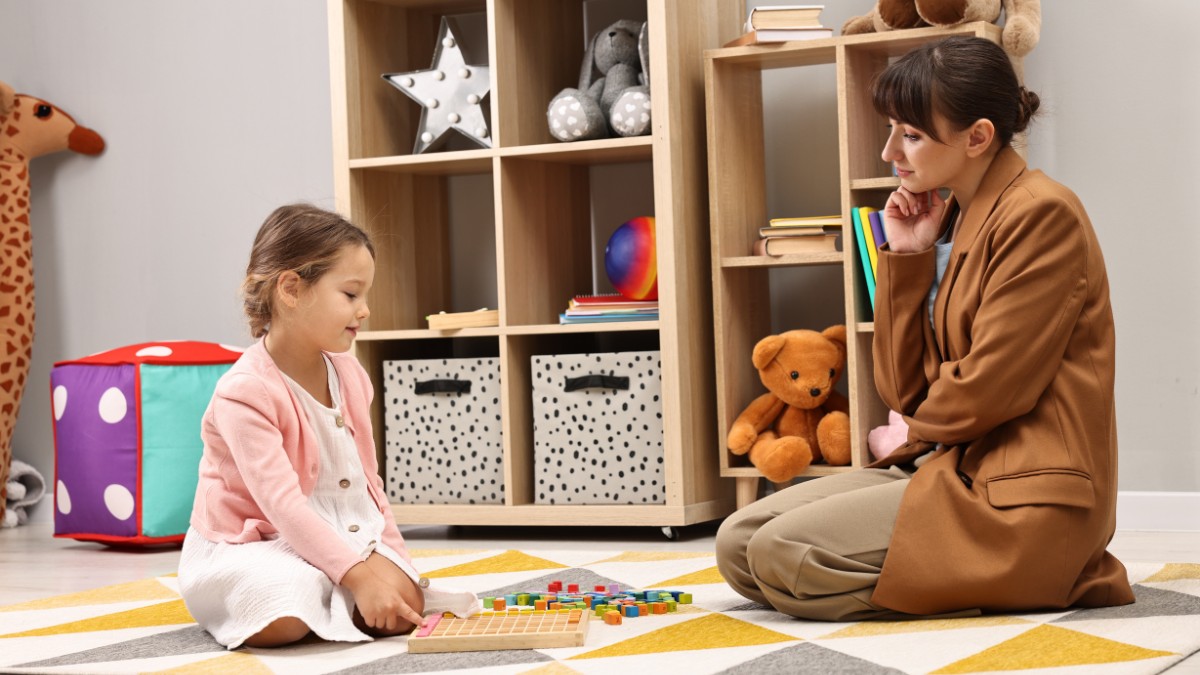
Therapists may gradually introduce new communication situations in manageable steps. A child might first practice speaking with a familiar adult, then with a therapist, and eventually in a classroom or social settings. This gradual approach helps children build confidence without becoming overwhelmed.
Over time, children often learn that communication can feel safe even in unfamiliar situations.
Combining ABA and Speech Therapy
Communication challenges often benefit from a team approach. Many children make progress through an ABA and speech therapy combination, where each type of therapy supports different aspects of communication.
Speech therapy often focuses on language development and speech clarity, while ABA therapy focuses on helping children use communication skills in real-life situations. Together, these approaches can help children become more confident communicators.
Speech therapists may help children learn how to produce sounds or form sentences, while ABA therapists help children practice using those skills in everyday interactions.
This coordinated approach often provides well-rounded support.
Building Confidence in Everyday Situations
Children who experience selective mutism often need extra support when communicating outside the home. School environments, social gatherings, and community settings can all present challenges.
ABA therapy often takes place in familiar environments such as the home, which allows children to build confidence gradually. As children become more comfortable, therapists can introduce new situations step by step.
Consistent practice helps children develop communication skills that carry over into everyday life.
Supporting Communication Growth
Selective mutism can feel overwhelming for families, but children can make meaningful progress with the right support. A structured and supportive approach helps children develop communication skills at a comfortable pace.
ABA therapy can be an effective part of anxiety-based mutism treatment for children with autism by helping them build confidence and communication skills in everyday environments.
Supportive Care ABA provides individualized, home-based therapy designed to help children with autism develop communication skills and confidence in daily life.
To learn more about ABA therapy, call Supportive Care ABA at 317-936-1240 or 317-936-1241, email info@supportivecareaba.com, or visit www.supportivecareaba.com to get started.
.jpg)
.jpg)
.jpg)
.jpg)
.jpg)
.jpg)